


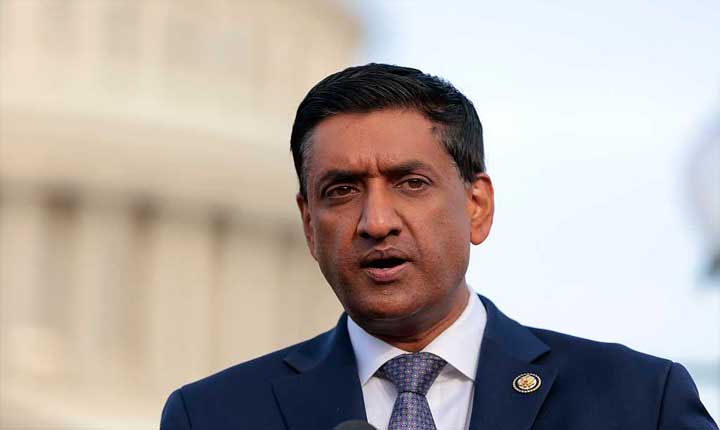


U.S. Representative Ro Khanna is scheduled to appear alongside labor unions and working families at the South Bay Labor Council Hall in San Jose to spearhead the ongoing campaign for Proposition 40, California’s proposed billionaire tax initiative. Rep. Khanna will take the stage alongside major labor organizations, including the Teamsters and SEIU-UHW, following a wave of prominent endorsements from key political and labor entities such as the California Democratic Party, the California Nurses Association, and the California Federation of Labor Unions, AFL-CIO.
Polling Data and Voter Sentiment:
Proponents of the ballot initiative frame it as an essential mechanism to generate revenue for public schools, healthcare services, and food assistance programs by ensuring the state’s highest earners contribute a larger share in taxes. According to recent polling numbers highlighted by the campaign:
Statewide Backing: Approximately 57% of prospective 2026 California voters favor the tax, contrasted with 38% opposed, securing a solid 19-point lead.
Strong Demographics: Approval rates spike significantly among core segments, with 80% of registered Democrats, 70% of union-affiliated households, and 63% of educators expressing support.
Broad Coalition and Qualification Process:
The measure successfully secured its place on the state ballot after campaign organizers submitted more than 1.6 million signatures from registered voters across California nearly double the statutory requirement for qualification. The initiative boasts an extensive coalition of political figures and advocacy groups, including U.S. Senator Bernie Sanders, Rep. Khanna, AFSCME California, UNITE HERE local chapters, AFT Local 1521, Disability Voices United, Oxfam America, and Color of Change.
Funding Goals and Legislative Context
Advocates maintain that the incoming revenue is vital to keep hospital emergency rooms operational, safeguard health insurance options, and control escalating premium costs. Furthermore, supporters argue the measure will protect public school positions and family food assistance initiatives. This political push arrives amid broader state debates over healthcare expenditures, with campaigners linking the tax directly to projected federal shortfalls resulting from President Donald Trump’s legislative budget policies, which they warn could otherwise jeopardize coverage for millions of residents heading into the 2026 election cycle.