

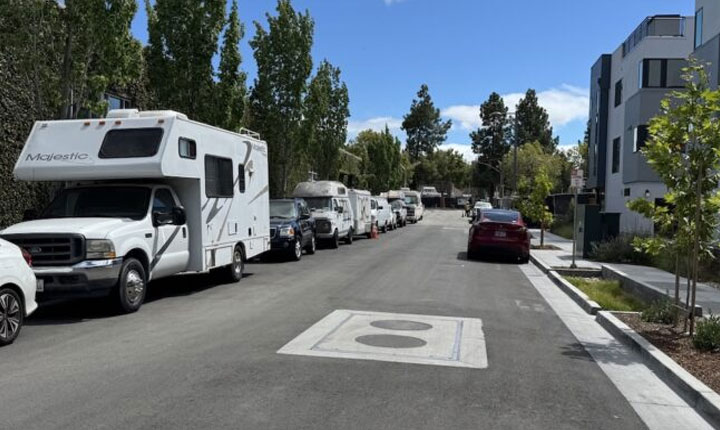


Palo Alto officials are weighing stricter measures to manage the influx of oversized vehicles on local streets. While the city recently approved a limited parking permit pilot program set for next March, community feedback and data indicate that roughly 100 RVs will remain unaccommodated. In response to mounting frustration from residents and business owners near these encampments, council members are open to implementing strict caps and effectively restricting unpermitted vehicle dwelling citywide.
Councilmember Ed Lauing first introduced the concept of capping permits during an August City Council discussion. Under this framework, oversized vehicles would either possess a valid permit or face a complete parking ban, preventing overflow into surrounding neighborhoods. Lauing emphasized the distinction between vehicle dwellers who have no alternative housing options and individuals who maintain permanent residences elsewhere while utilizing local streets for parking.
Refining Pilot Scope and Neighborhood Pushback:
The discussion follows intense local pushback against an earlier proposal that would have permitted RVs to rotate between opposite sides of selected streets in south Palo Alto. Following strong neighborhood opposition, the council discarded that layout in favor of a targeted pilot program.
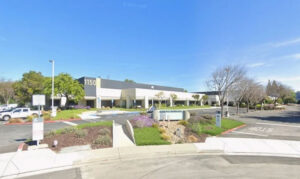
The approved pilot designates specific segments of Embarcadero Road and Coyote Hill Road to accommodate approximately 37 oversized vehicles.
Permit Criteria: Participants must apply, demonstrate financial need, and agree to work with case managers toward permanent housing.
Capacity Gap: The 37 allocated spaces leave over 100 vehicles on city streets without permits.
Operational Rules: Unpermitted vehicles are subject to strict time limits and towing risks if parked improperly.
Legal Considerations and Housing Resources:
City Attorney Chris Jensen noted that recent legal frameworks, including a U.S. Supreme Court ruling (Grants Pass v. Johnson), grant municipalities broader discretion regarding unsheltered populations. However, ongoing litigation in the Ninth U.S. District Court of Appeals regarding neighboring cities introduces legal uncertainties concerning citywide habitation bans. Jensen stressed that successful municipal programs must pair restrictions with visible resources to help transition individuals out of vehicles.
To bridge the gap, officials point to existing infrastructure such as the Geng Road safe parking site—which accommodates 22 vehicles—and the newly opened Homekey Palo Alto transitional housing project, which provides 88 apartments. Although turnover at Geng Road remains slow, council members maintain that these resources substantiate the city’s humanitarian efforts.
Expanding Residential Prohibitions:
City leadership remains aligned on prioritizing resources for the genuinely unhoused while restricting individuals who have alternative housing. Mayor Vicki Veenker and Councilmember Julie Lythcott-Haims support a multi-layered strategy that closes zoning loopholes currently exempting certain residential areas from overnight RV restrictions.
Efforts are also underway at the county level to identify additional land or expand the Coyote Hill Road pilot footprint. While council members acknowledge that individual city solutions have limitations, they continue searching for scalable regional strategies to address the systemic challenges of vehicle dwelling.