


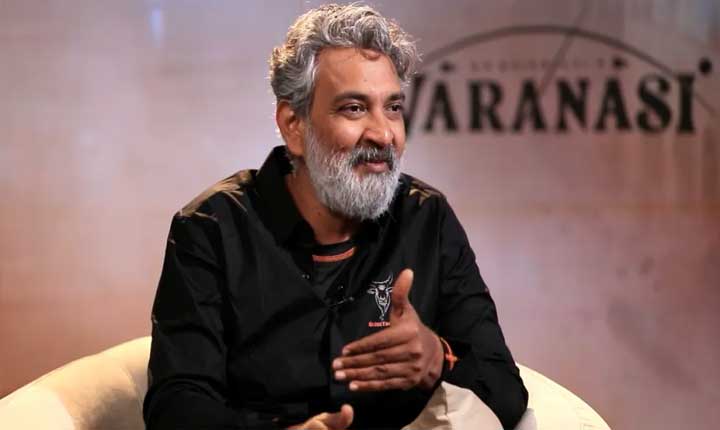


Director SS Rajamouli is charting new territory for Indian cinema with his upcoming project, Varanasi, which is being shot entirely in the IMAX format. This bold technical choice makes it one of the most ambitious and grandly planned premium-format releases in the history of Indian filmmaking. The timing of this cinematic endeavor coincides with a renewed interest in large-format viewing across the country, particularly following the significant box office boost provided in India by Christopher Nolan’s The Odyssey. While that release proved that domestic audiences are more than willing to pay premium ticket prices for superior visual quality, it simultaneously exposed a glaring infrastructure shortfall: the nation currently possesses a severely limited number of IMAX screens, hovering around just 26 nationwide.
The Infrastructure Dilemma: Exhibitor Costs Versus Filmmaker Hesitation
This scarcity of screens creates a classic structural paradox within the exhibition and production sectors. According to PVR INOX Executive Director Sanjeev Kumar Bijli, installing a single IMAX screen requires a substantial capital investment of roughly Rs 10 to 11 crore. Exhibitors argue that a single successful Hollywood import is insufficient justification for such a heavy financial commitment. Instead, theatre chains require a steady, reliable stream of tentpole releases from regional industries including Hindi, Tamil, and Telugu cinema to draw consistent crowds to premium formats before they feel confident expanding their infrastructure.
Conversely, filmmakers face an equally daunting financial barrier from the opposite direction. Producers frequently question the logic of investing heavily to shoot natively for IMAX when the current domestic footprint of large-format screens is too small to guarantee a recovery of those elevated production and post-production costs.
Breaking the Cycle: Industry Perspectives on Premium Formats:
Namit Malhotra, the Global CEO of DNEG and producer of Ramayana, has characterized premium large-format experiences as an absolute necessity for the contemporary market. Describing the current climate as a classic “chicken-and-egg” scenario, Malhotra maintains that a breakthrough requires mutual risk-taking: visionary filmmakers must take the initiative to produce IMAX-ready content, while exhibition giants must concurrently take the financial plunge to build out more premium screens.
Adding to the industry debate, veteran filmmaker Shekhar Kapur notes that shooting in IMAX remains prohibitively expensive for standard-budget Indian productions. However, Kapur remains optimistic that emerging technologies, such as advanced AI-driven production tools, will eventually democratize the space and drive down costs, making premium formats accessible to a wider array of storytellers.
The Technical Complexities of Native IMAX Production:
Embracing the IMAX format involves far more than simply renting larger cameras. The hardware itself is significantly heavier and mechanically complex, demanding specialized stabilization rigs, highly trained technical crews, and meticulous pre-planning. Furthermore, the massive canvas of an IMAX screen radically alters visual composition. Minor errors in camera focus, stage lighting, or background framing which might pass unnoticed on standard digital screens become glaringly obvious on giant canvases. Sound design and overall logistical execution also grow exponentially more complicated, necessitating a specialized approach to filmmaking from the very inception of pre-production.
A Defining Gamble for SS Rajamouli and the Future of Indian Screens:
Given these hurdles, Varanasi stands out as one of the most calculated professional risks of Rajamouli’s career. Having already demonstrated with the Baahubali franchise and RRR that Indian narratives can captivate a global audience, Rajamouli is now attempting to reshape how domestic audiences consume cinematic spectacles.
If Varanasi achieves massive commercial and critical success in premium formats, it could serve as a powerful catalyst, compelling cinema chains to accelerate IMAX expansion and inspiring other major Indian filmmakers to adopt native large-format shooting. However, should the premium screen market fail to grow at a matching pace, recouping the heavy financial outlays could prove exceptionally difficult. For the moment, SS Rajamouli appears fully prepared to embrace the gamble, positioning Varanasi to test not only his legendary storytelling prowess but also whether the Indian theatrical market is genuinely ready for an IMAX-driven future.