


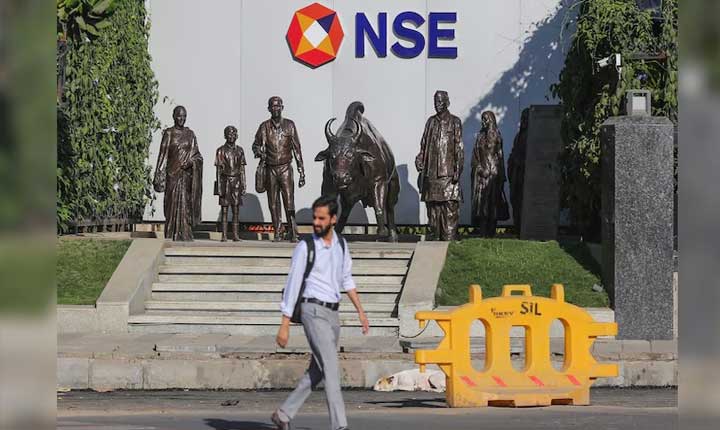


India has officially displaced Indonesia as the least-preferred stock market in Asia, according to a recent survey of fund managers conducted by Bank of America (BofA). The data indicates a deepening caution among investors toward the Indian market, which currently ranks among the worst performers globally this year. Approximately 32% of the 98 panelists surveyed collectively managing $272 billion in assetsreported being net underweight on Indian equities. Key drivers for this bearish sentiment include a notable lack of artificial intelligence (AI) exposure, concerns over sluggish growth, a perceived stall in economic reforms, and high valuations.
Regional Comparisons and Market Sentiment:
The survey results highlight a stark contrast between India and its neighbors:
Indonesia’s Rebound: Sentiment toward Indonesia has shown improvement, with net underweight positions falling to 27% from 32% in July. This shift follows a 20% rally in the Jakarta Composite Index from June lows, bolstered by central bank currency stabilization efforts and decreased concerns regarding a potential MSCI frontier-market downgrade.
Investor Favorites: Despite regional shifts, Taiwan and Japan continue to dominate as the most preferred markets for investors.
The Paradox of Performance and Fundamentals:
The BofA findings emerge despite a robust earnings outlook for Indian companies. Data compiled by Bloomberg reveals that global funds have net-purchased over $4 billion in local stocks this quarter the highest among regional emerging markets following record outflows earlier in the year. Furthermore, Nifty 50 benchmark earnings surged by 18% year-over-year in the most recent quarter, significantly outpacing Motilal Oswal Financial Services’ initial 10% growth estimates.
Historical Context and External Pressures:
This marks India’s second appearance as the “least preferred” market in BofA’s 2026 polls, a position last held in May during the initial escalation of the U.S.-Iran conflict. With global crude oil prices continuing to rally due to ongoing geopolitical instability, rising energy costs remain a primary drag on investor sentiment. Although the Nifty 50 has rebounded 8% from its March lows, it remains Asia’s second-worst performing major market, reflecting an 8% loss year-to-date. As it stands, the index is on a trajectory to potentially snap an unprecedented streak of 10 consecutive years of annual gains.