


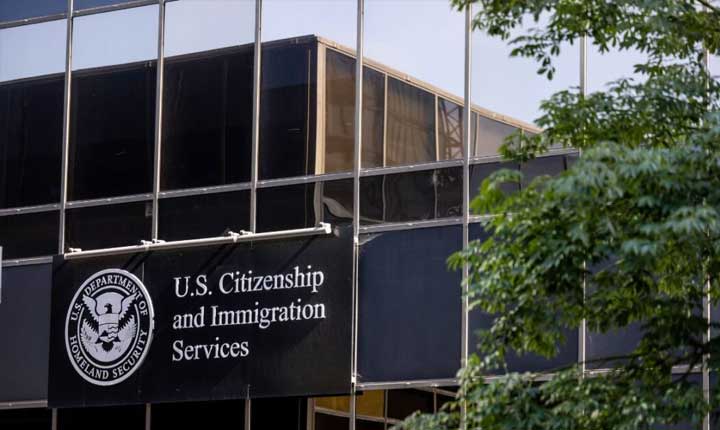


U.S. Citizenship and Immigration Services (USCIS) has implemented a significant policy update clarifying that individuals applying for immigration benefits must prove their eligibility and provide all mandatory initial evidence at the exact time of filing. Announced on August 5, the revised guidelines take effect immediately and govern all benefit requests currently pending or filed on or after that date, barring any specific regulatory exceptions. Under this updated framework, applicants who neglect to establish their eligibility or omit required supporting documentation risk having their applications outright denied without receiving a preliminary Request for Evidence (RFE) or Notice of Intent to Deny (NOID). The agency emphasizes that detailed instructions regarding necessary initial evidence are already explicitly outlined in official form instructions.
Rationale Behind the Policy Shift and Impact on Processing:
According to federal officials, the updated guidance harmonizes agency adjudication protocols with the Department of Homeland Security’s established regulatory authority. The primary goals are to reinforce rigorous evidentiary standards, deter meritless or frivolous submissions, and streamline overall case processing efficiency. This new directive explicitly supersedes prior guidance from the Biden administration, which generally instructed adjudicating officers to issue RFEs prior to denial even when petitions lacked sufficient documentation or failed to prove initial eligibility.
USCIS noted that the previous approach permitted applicants to submit incomplete “placeholder” applications primarily to secure concurrent benefits such as employment authorization documents while their primary cases languished in pending status. Consequently, these practices created significant backlogs and slowed down processing times for other compliant applicants.
Officer Discretion, Scope of Benefits, and Future Expectations:
With the implementation of this revised policy, USCIS officers recover full discretionary authority to deny immigration benefit requests directly when appropriate, bypassing the mandatory issuance of an RFE or NOID. This operational change is designed to optimize resource allocation and prevent unsubstantiated applications from draining adjudicative capacity.
The range of affected filings is broad, encompassing petitions for:
Employment authorization documents
Adjustment of status
Family-based and employment-based immigration petitions
Naturalization applications
Asylum requests
Specific changes or extensions of nonimmigrant status managed by USCIS:
Importantly, the policy does not completely abolish RFEs or NOIDs. Officers maintain the discretionary authority to issue these notices if they believe supplemental evidence could successfully resolve lingering questions regarding an applicant’s qualifications. Nevertheless, applicants are officially on notice that they can no longer rely on receiving an opportunity to cure deficiencies or supplement incomplete submissions after the initial filing stage. The full policy announcement remains accessible directly through the official USCIS website.