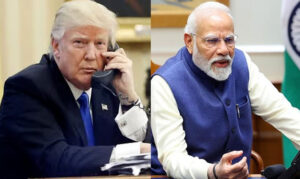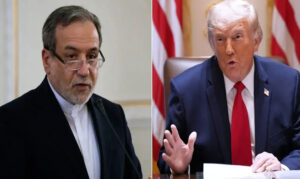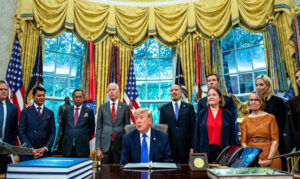




The United States Senate has overwhelmingly approved a sweeping Russia sanctions bill by a decisive 86-11 margin. Officially titled the Lindsey O. Graham Sanctioning Russia and Iran Act of 2026, the legislation now advances to the House of Representatives, where several lawmakers have already voiced strong objections regarding its aggressive tariff provisions. Named in honor of the late Republican Senator Lindsey Graham who finalized key negotiations with the White House prior to his passing on July 11 the bill aims to heavily penalize nations sustaining Moscow’s wartime economy.
Targeting Russian Energy Importers and Trade Mechanisms:
Although the statutory text does not explicitly name individual nations, it empowers the US administration to identify targets using comprehensive trade data. The framework specifically zeroes in on major importers of Russian crude oil and natural gas, alongside countries implicated in facilitating sanctions evasion, with mandated administrative reviews every 180 days. In a supporting statement, Republican Senator Deb Fischer of Nebraska explicitly cited India, China, and Brazil, criticizing these nations for purchasing discounted Russian energy and subsequently profiting by reselling it at a markup. Democratic Senator Richard Blumenthal of Connecticut echoed these sentiments, emphasizing unwavering solidarity with Ukraine and a direct warning to Vladimir Putin.
Scope of Sanctions and Domestic Pushback:
Beyond energy imports, the legislation introduces extensive primary and secondary sanctions directed at Russian government officials, oligarchs, commercial banks, and financial institutions. It also targets illicit transport operations, including the covert “shadow fleet” utilized to bypass international restrictions. Despite its broad bipartisan support in the Senate, the bill’s tariff provisions have drawn domestic criticism from lawmakers who contend that the clauses confer overly broad enforcement authority upon US President Donald Trump.