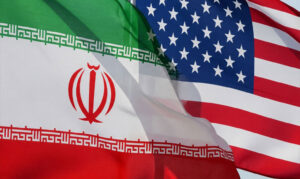




The United States government has leveled accusations against more than 40 nations including key partners like India alleging their involvement in a sophisticated “shadow network” designed to help Chinese exporters bypass steep American tariffs. To combat this illicit trade, Washington has announced plans to deploy an advanced artificial intelligence system named “Detective Border.” The Indian government has not yet issued an official response to these allegations.
Key Findings of the Report:
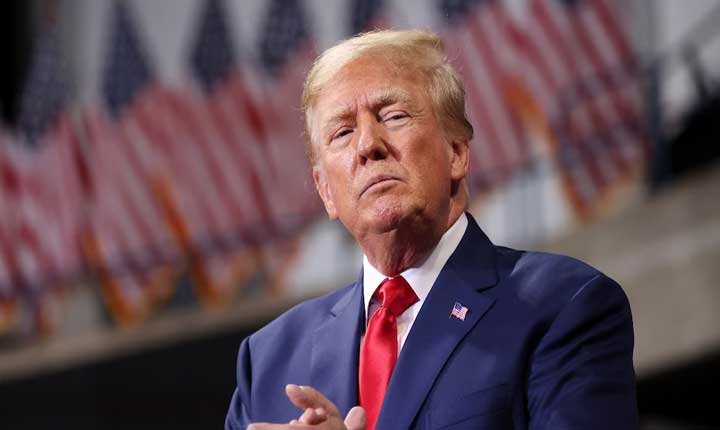
Published by President Donald Trump’s top trade adviser, Peter Navarro, the report is titled The Great Transshipment Scam. It traces the roots of the issue back to 2018, when the Trump administration initially levied Section 301 tariffs on Chinese goods in response to unfair trade practices. According to the document, the scale of goods rerouted annually through third-party nations ranges between USD 40 billion and USD 303 billion, depending on the analytical model used. Navarro characterized the arrangement as a method enabling China to launder its exports through global intermediaries.
Target Countries and Rerouting Mechanisms:
The designated network encompasses several of America’s largest trading partners, featuring Mexico, Canada, the European Union, India, Japan, and South Korea. The mechanism typically involves routing Chinese merchandise through intermediary nations for minor procedures such as light processing, relabeling, repackaging, reinvoicing, or altering shipping routes. This practice creates a false impression of a non-Chinese origin while the goods retain their core Chinese composition. Exporters lean toward jurisdictions characterized by low labor costs, minimal customs oversight, relaxed free-trade zones, or advantageous access to the US market.
The report explicitly highlights India’s Pune-Gujarat-Chennai manufacturing corridor, claiming it absorbs pumps and compressors that directly compete with and displace manufacturing supply chains in US cities such as Cincinnati, Dayton, and Columbus.
Introduction of the “Detective Border” AI System:
To counter these evasion tactics, Washington intends to implement “Detective Border,” an artificial intelligence tool engineered to pinpoint goods entering the US via third-party countries. The system will process comprehensive data streams, including shipment records, routing histories, product classifications, ownership ties, production capacities, anomaly detections, and computer vision technologies. The primary objective is to empower US Customs and Border Protection to distinguish legitimate nearshoring and foreign investment from illegal pass-through trade, flag high-risk cargoes, and swiftly execute enforcement actions such as duty collections, penalties, and exclusion orders.