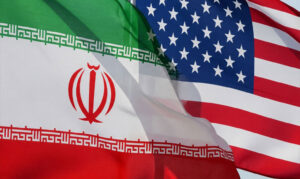




DUBAI/CAIRO/GARDEN CITY, New York — Iran has called on the United States to accept defeat and meet its conditions before shipping operations can resume through the strategic Strait of Hormuz, maintaining that the waterway remains under its command. Meanwhile, US President Donald Trump blasted Tehran as “very evil” and urged Americans to brace for continued high gasoline prices as the conflict persists.
Stalemate and Blockade Standoff
Progress toward peace talks and oil tanker traffic through the Strait of Hormuz remains completely halted, with no signs of a resolution to the war launched by the US and Israel on February 28.
Iran’s Stance: Iran’s Deputy Foreign Minister Kazem Gharibabadi stated on X that the strait will be opened or closed exclusively under Iranian command, warning that Tehran will continue enforcing its blockade until Washington accepts reality rather than indulging in fantasies. Gharibabadi reiterated that the strategic corridor cannot be seized by a tweet, aircraft carrier, executive order, or election speech.
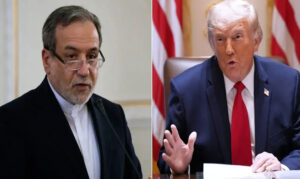
Conditions for Resumption: Foreign Minister Abbas Araqchi noted that Iran has not decided to resume talks with the US, stressing in an interview with Shahrara News that Washington must meet specific conditions regarding the strait to restore shipping in a waterway that previously handled one-fifth of the global oil supply. Araqchi also confirmed that a tentative June agreement to end the war has collapsed, stating that a ceasefire did not previously exist to be extended, resulting in an entirely new situation.
US Fuel Prices and Political Fallout
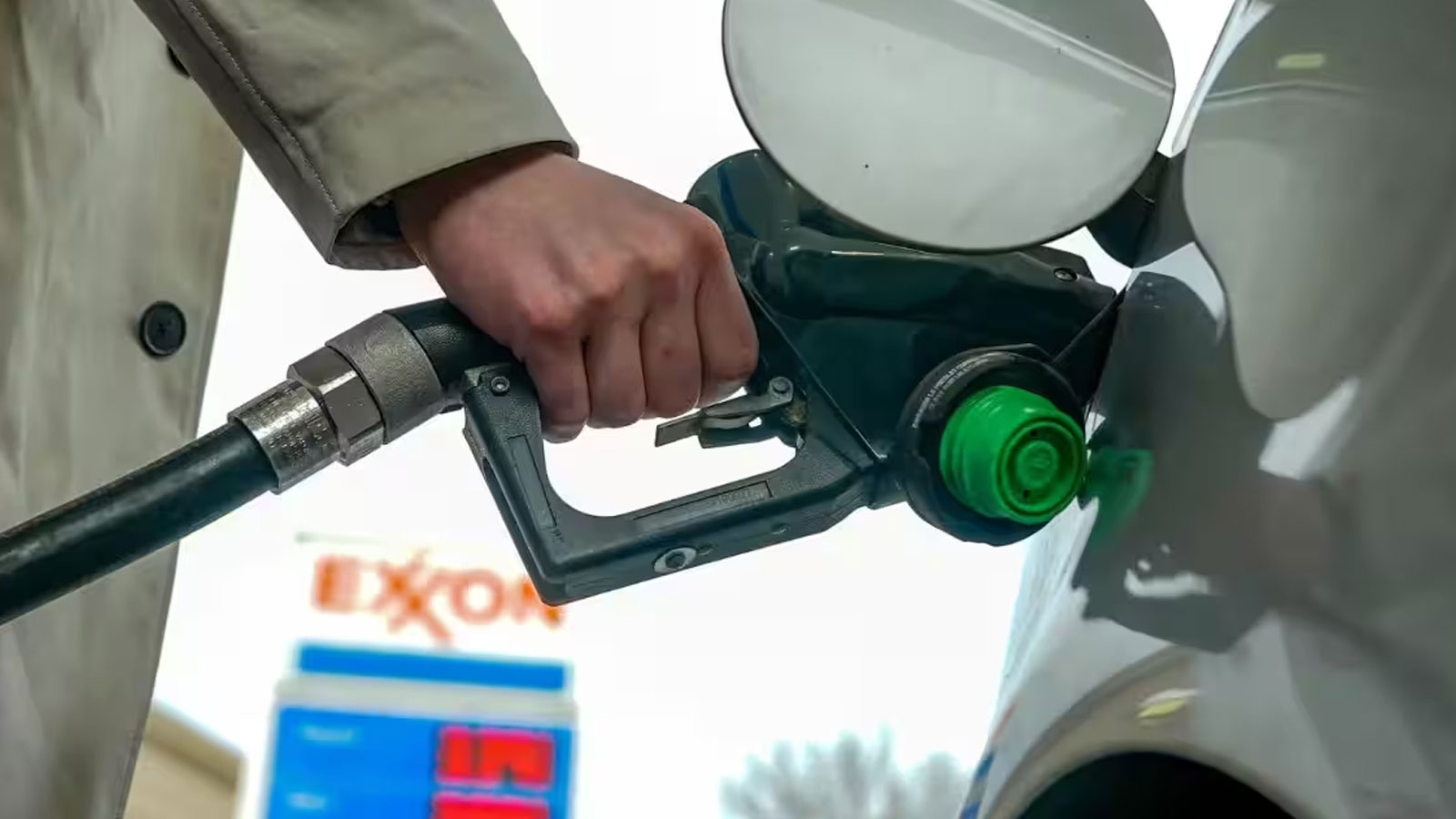
President Trump told a political rally in Garden City, New York, that paying slightly more for gasoline is a worthwhile cost to ensure that a “very evil country” is blocked from acquiring a nuclear weapon—one of the primary stated rationales for the war.
According to the American Automobile Association, the average US price for a gallon of gasoline hit $4.08 on Friday, marking a 29% increase from the previous year. This upward trend has stoked inflation and frustrated voters.
With Trump having campaigned on promises to lower energy costs, Democrats are actively leveraging the war’s economic fallout ahead of the November congressional elections.
In the crude markets, futures rose by $1 a barrel on Friday, leaving benchmark Brent futures on track for a weekly gain of 6.0% and West Texas Intermediate for a 5.4% increase.
Economic Toll on Iran and Escalating Sanctions
Despite Iran’s defiant posture, the conflict has placed a heavy economic burden on the country. President Masoud Pezeshkian acknowledged on state television that high inflation within Iran is being driven by US sanctions on oil exports and the naval blockade of Iranian ports.
In response, President Trump and Treasury Secretary Scott Bessent pledged to inflict further financial damage. Bessent announced that additional measures against Iran will be unveiled the following week. While Tehran labels its enforcement in the strait as a blockade, Washington applies the term to its own threats against Iranian vessels leaving domestic ports. Defending the military campaign, Trump asserted that the US is performing a great service for the world and described a 260-day deployment by a supporting US aircraft carrier as “not nearly long enough”.
Shipping Disruption and Regional Spillover
Ship-tracking data from Kpler revealed that only two vessels transited the Strait of Hormuz on Friday, with no visible crude oil shipments. While some vessels may cross with transponders turned off, traffic remains drastically lower than the pre-war average of over 130 ships daily. Vessels attempting to cross without Iranian authorization face severe risks of missile or drone attacks. Highlighting these dangers, the United Arab Emirates’ Abu Dhabi National Oil Company reported that two of its vessels were attacked while transiting the strait on Thursday evening, and Emirati state news agency WAM reported another strike on Friday.
The conflict has also fueled wider regional escalation. Yemen’s internationally recognized government reported that Iran-backed Houthi rebels fired six ballistic missiles at the Red Sea port of Mocha on Friday, resulting in four civilian deaths. Furthermore, the Houthi-run SABA news agency stated that the group targeted an Aramco facility in Najran, Saudi Arabia, using a drone.