

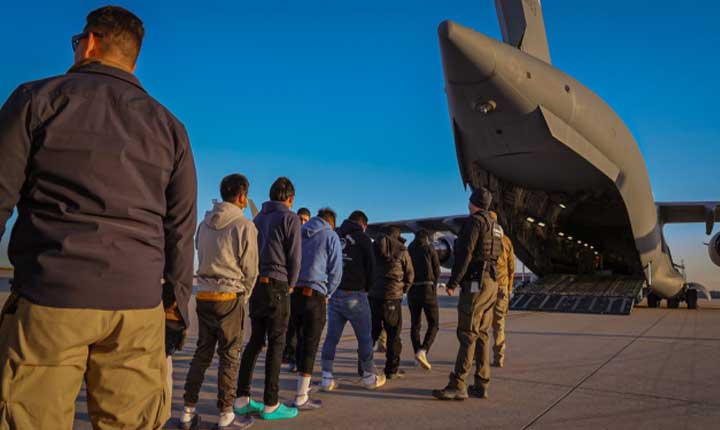


Under the administration of U.S. President Donald Trump, immigration enforcement has intensified dramatically, drawing widespread attention to its severe impact on minority communities, particularly Indian nationals. According to data tracked by the American NGO Stop AAPI Hate, Indians have emerged as one of the most targeted groups by U.S. Immigration and Customs Enforcement (ICE), registering the highest numbers of arrests, detentions, and deportations among all Asian and Pacific Islander communities.
Rising Deportations and High-Profile Cases:
Government statistics from the Ministry of External Affairs reveal that over 4,800 Indian nationals have been deported since Trump took office, including 1,273 individuals sent back in the first half of the year alone. High-profile instances have underscored this turbulent climate—such as the recent arrest of long-term green card holder Venkata Vasamsetty, who faced removal over an extended stay abroad due to family health issues and COVID-19, and jazz musician Pritesh Walia, who was later released on bond. Despite lacking criminal records, many lawful residents find themselves caught in ICE’s widening net.
Escalating ICE Powers and Controversial Tactics:
ICE operations have grown increasingly controversial, marked by unprecedented powers, massive arrest quotas, and frequent allegations of overreach. National monthly arrest figures have soared, alongside troubling reports regarding custody conditions and aggressive enforcement tactics. Furthermore, administrative shifts bincluding the alignment of immigration courts under executive review and controversial rulings allowing status checks based on ethnicity or accents have accelerated deportation orders, particularly in states with high Indian-American populations like New Jersey.
Economic and Educational Fallout for India-U.S. Ties:
Beyond enforcement actions, strict policy changes such as steep H-1B visa application fees, elimination of grace periods, and tighter student visa regulations are reshaping bilateral educational and professional dynamics. Analyses by organizations like NAFSA and ICEF Monitor indicate a notable 14% decline in university applications from India for the 2026–27 academic year. As processing delays and shifting political rhetoric prompt prospective students and skilled professionals to explore alternative global destinations, experts warn of substantial economic and workforce losses for the United States.