

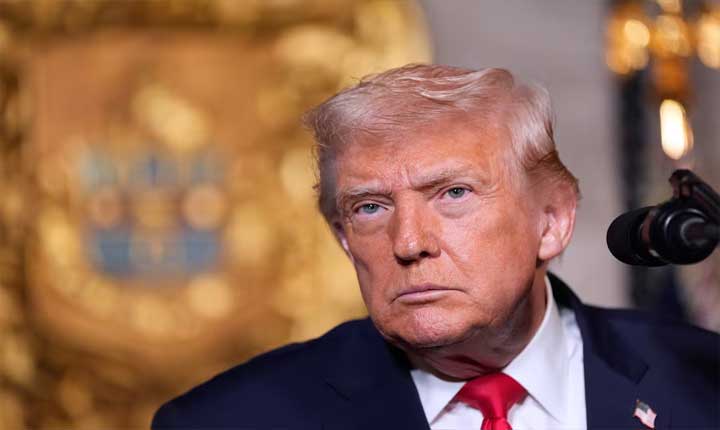


The administration of U.S. President Donald Trump is significantly widening its military campaign against drug trafficking in Latin America. Moving beyond deadly strikes on suspected drug-smuggling boats in the Caribbean and eastern Pacific which have resulted in over 200 deaths across more than 60 strikes Washington is now seeking to execute direct joint military operations with regional allies on their own territory to combat criminal organizations on land.
U.S. Defence Secretary Pete Hegseth recently announced that nations such as Colombia, Ecuador, Guatemala, and Honduras are among those cooperating with Washington on land-based operations against criminal groups, though Guatemala has publicly rejected claims that it agreed to such actions. Hegseth emphasized that the U.S. aims to replicate the aggressive approach previously used against maritime vessels and apply it directly to terrestrial targets.
Escalating from Maritime Strikes to Ground Combat:
While the U.S. military has historically provided Latin American nations with intelligence, training, and weaponry, undertaking direct combat operations alongside local forces represents a profound strategic escalation. Since Trump returned to the White House in January 2025, his administration has designated 20 Latin American criminal networks as foreign terrorist organizations, intensifying security and intelligence cooperation.
The maritime boat strikes have drawn intense scrutiny and controversy, with critics questioning the transparency of public evidence, the legal standing of the operations, and the resulting fatalities. Transitioning these aggressive tactics to land-based operations is expected to draw even greater international and domestic criticism.
Colombia as a Key Test for the New Strategy:
Colombia is positioned as a central testing ground for this evolving strategy. Hegseth noted that Colombian President Abelardo de la Espriella sought increased U.S. military involvement against armed factions such as the National Liberation Army (ELN). Direct U.S. support in combat operations against groups like the ELN would mark a stark departure from traditional assistance models.
However, military analysts caution that executing ground operations in populated civilian environments carries a high risk of collateral damage and civilian casualties. Furthermore, such actions could prompt insurgents to abandon remote camps and blend into towns and villages, rendering the campaign considerably more difficult to sustain.
Sovereignty Concerns and Political Hurdles:
The expansion of U.S. military presence is bound to test the limits of sovereignty that Latin American governments are willing to compromise. While Ecuador has participated in joint operations, its voters rejected a 2025 referendum proposal permitting foreign military bases, underscoring deep political sensitivities. Similarly, Guatemalan President Bernardo Arévalo denied agreeing to joint anti-drug military missions, noting that such an initiative would necessitate formal congressional approval. Meanwhile, Mexico has consistently resisted allowing U.S. forces to conduct unilateral military operations against cartels on its soil.
These diplomatic frictions highlight a core dilemma for the Trump administration: while regional leaders may welcome intelligence and equipment, hosting a direct U.S. military footprint on sovereign territory remains highly contentious.
Long-Term Efficacy and Regional Influence:
While a hardline military posture may appeal to voters demanding aggressive action against powerful criminal syndicates, analysts warn that military strikes alone cannot eradicate the root causes of drug trafficking. Criminal networks have repeatedly demonstrated adaptability, shifting tactics when pressured. For President Trump, this expansion serves a dual purpose: addressing the counter-narcotics crisis while reasserting dominant U.S. influence across the Western Hemisphere and aligning regional governments more closely with Washington’s geopolitical objectives.