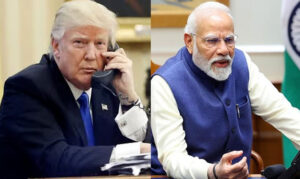


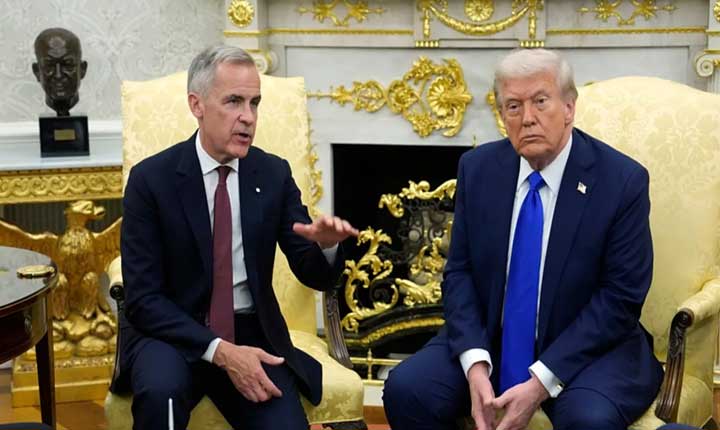


U.S. President Donald Trump announced a temporary three-day pause on the planned 50% tariffs targeting $20 billion worth of Canadian goods. The decision came after both nations forged a last-minute agreement just hours before the economic sanctions were scheduled to take effect. Communicating via his social media platform Truth Social, Trump stated that the tariffs have been put on hold for a 72-hour period subject to final documentation, successfully averting an immediate escalation in trade tensions between the neighboring allies.
Negotiation Progress and Official Statements:
Canadian Prime Minister Mark Carney acknowledged that substantial headway had been made during recent discussions, though he noted that crucial work remains to solidify an interim accord. Carney and Trump held two separate phone consultations over a span of two days to hammer out terms. According to a White House proclamation, the framework involves a Canadian commitment to lift measures viewed by Washington as discriminatory toward U.S. dairy, alcohol, and motor vehicle exports, while Canadian business leaders expressed a desire for long-term certainty beyond the temporary freeze.
Economic Stakes and Political Implications:
The potential imposition of hefty tariffs carried significant political and economic weight for both administrations ahead of the upcoming midterm elections:
Trade Volume: The United States and Canada exchange approximately $880 billion in goods and services annually, with nearly 72% of Canada’s overall goods exports heading south of the border.
Consumer Impact: Economists noted that import taxes are typically absorbed by domestic importers and frequently passed down to consumers through inflated prices, a sensitive issue amid voter frustrations over living costs.
Retaliation Risks: Ottawa had previously signaled intentions to enforce retaliatory levies, threatening a deepening trade standoff.
Legal Background and Section 338 Utilization:
This tariff push marks another chapter in President Trump’s second-term economic agenda centered around protective trade measures. Following a Supreme Court ruling earlier in the year that struck down broad emergency-declared tariffs, the administration utilized an unprecedented legal mechanism: Section 338 of the Tariff Act of 1930. Enacted during the Great Depression under the Smoot-Hawley framework, this century-old statute grants the president authority to levy up to 50% tariffs against nations discriminating against U.S. commerce without requiring formal preliminary investigations. The ongoing leverage is also being utilized to push for fresh concessions as both nations renegotiate the terms of the United States-Mexico-Canada Agreement (USMCA).