



The Pleasanton City Council recently approved a resolution enabling the city to retroactively reimburse any capital improvement expenses made toward its water system using future bond funding. Although a formal vote to issue water revenue bonds is scheduled to come before the dais in September, this preliminary resolution allows the city to recover hard costs recently spent on essential water projects starting from 60 days before the vote up until the actual bond issuance.
Addressing Over $73 Million in Infrastructure Needs:
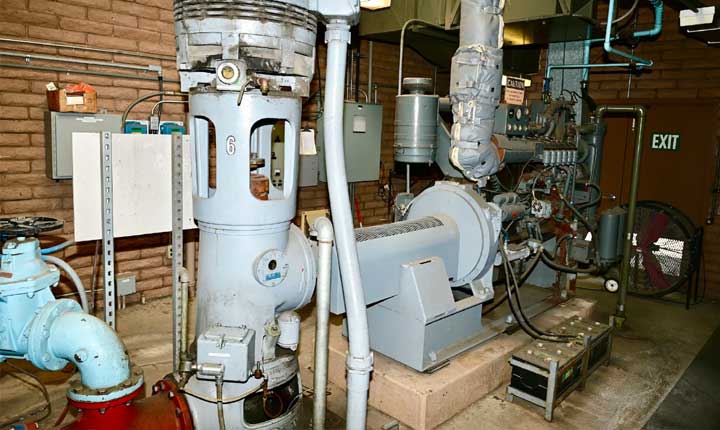
City staff have spent the past few years strengthening the water enterprise fund to tackle more than $73 million in comprehensive infrastructure, operational, and maintenance requirements for the potable water system. According to Public Works Director Siew-Chin Yeong, the core objectives of this capital improvement program include:
Replacing aging infrastructure to maintain or improve system reliability and operability.
Enhancing overall water system capacity.
Complying with evolving regulatory requirements.
Aligning with the city’s strategic plan goal to invest heavily in the environment.
The “2026 Water Project” and Bond Financing Goals:
These endeavors are part of a broader initiative known as the “2026 Water Project,” which focuses on improving water supply diversification and restoring local groundwater production through new wells. To fund these initiatives, the council previously approved a Water System Management Plan that plans for the issuance of $16.5 million in water revenue bonds over the next five years, following a prior $19 million bond issuance in 2024.
City staff report that these funds will target four primary areas:
The groundwater supply project.
Water meter and related infrastructure replacements.
Annual water distribution system improvements.
The water system emergency power improvements program.
Weighing 20-Year Versus 30-Year Repayment Terms:
While looking at a total project cost of approximately $56.6 million supported by the 2024 bonds and rate adjustments, the council also deliberated extensively on whether to choose a 20-year or 30-year repayment structure for the upcoming bonds. City Finance Director Susan Hsieh noted that a 20-year public sale bond offers a lower interest rate of 3.96% but comes with a higher average annual debt service of just under $1.1 million. Conversely, a 30-year public bond features a lower average annual debt service of just under $916,000 at a higher interest rate of nearly 4.5%, making the 30-year option roughly $5.5 million more expensive overall.
While finance staff recommended the 30-year repayment term to preserve financial flexibility for unexpected capital needs, several officials including Councilmembers Julie Testa, Matt Gaidos, Mayor Jack Balch, and Craig Eicher expressed a desire for deeper analysis into the 20-year alternative. Councilmember Gaidos and Mayor Balch pointed out that recent rate increases and lower-than-expected actual interest rates could make the 20-year plan viable, saving the city millions.
Next Steps in the Process:
The city’s financing team will focus on securing a credit rating for the bond issuance this month, aiming to return to the council in September to seek formal authorization for the bond sale. If approved, staff will finalize the offering documents to ensure funds are received by mid-October.