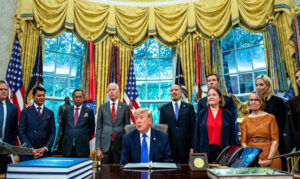


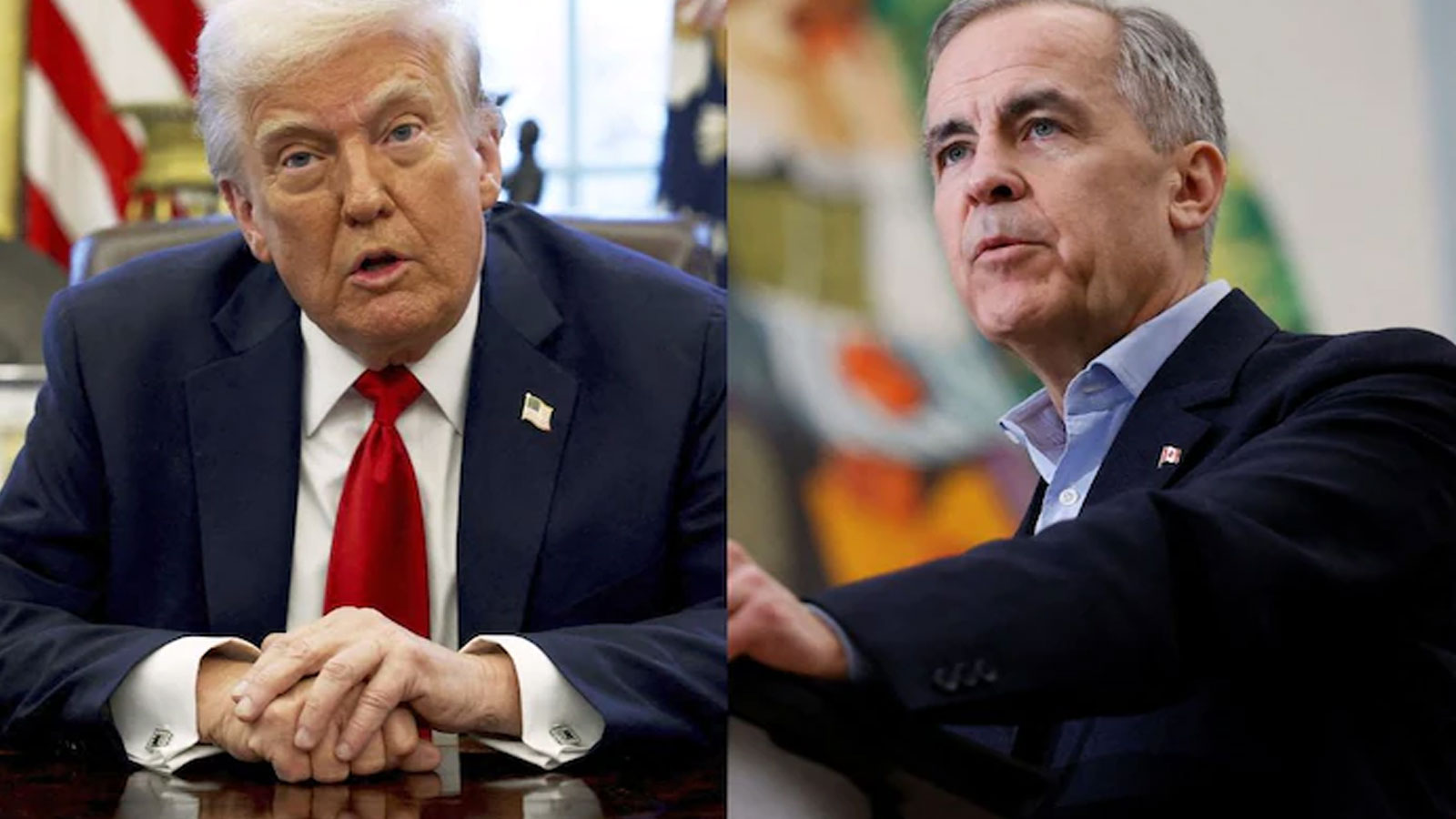


The United States has implemented 50% tariffs on approximately $20 billion to $28 billion worth of Canadian imports after last-ditch negotiations between the historic allies collapsed. The trade dispute escalated sharply after final-hour discussions failed to bridge gaps over key sectors, prompting Canadian Prime Minister Mark Carney to suspend trade talks and recall negotiating teams to Ottawa.
Breakdown in Negotiations and Core Issues
The breakdown followed a three-day extension granted by U.S. President Donald Trump to allow further dialogue. However, officials from both sides traded blame for the impasse.
U.S. Trade Representative Jamieson Greer stated that Canada declined to finalize the trade agreement under terms agreed upon earlier in the week, pointing to late-stage demands and walk-backs that disrupted the balance of the deal. Conversely, Prime Minister Carney criticized Washington’s last-minute alterations as “unfair, uneconomic, and corrosive to the reliability of any agreement.”
The core disagreements centered on Canadian demands for broader relief from U.S. Section 232 tariffs concerning steel, aluminum, automobiles, and lumber—concessions that the U.S. administration was ultimately unwilling to provide.
Retaliation and Economic Impact
The newly enacted American import taxes affect roughly 5% of total Canadian goods shipped to the United States annually, impacting products ranging from industrial materials to consumer goods like hockey sticks.
In response, Prime Minister Carney announced that Canada will match the U.S. levies “dollar for dollar” to safeguard domestic workers and businesses. With bilateral trade between the two nations reaching $880 billion last year, business leaders and industry groups on both sides of the border have warned that the deepening trade friction threatens North American competitiveness, supply chain stability, and consumer pricing.