


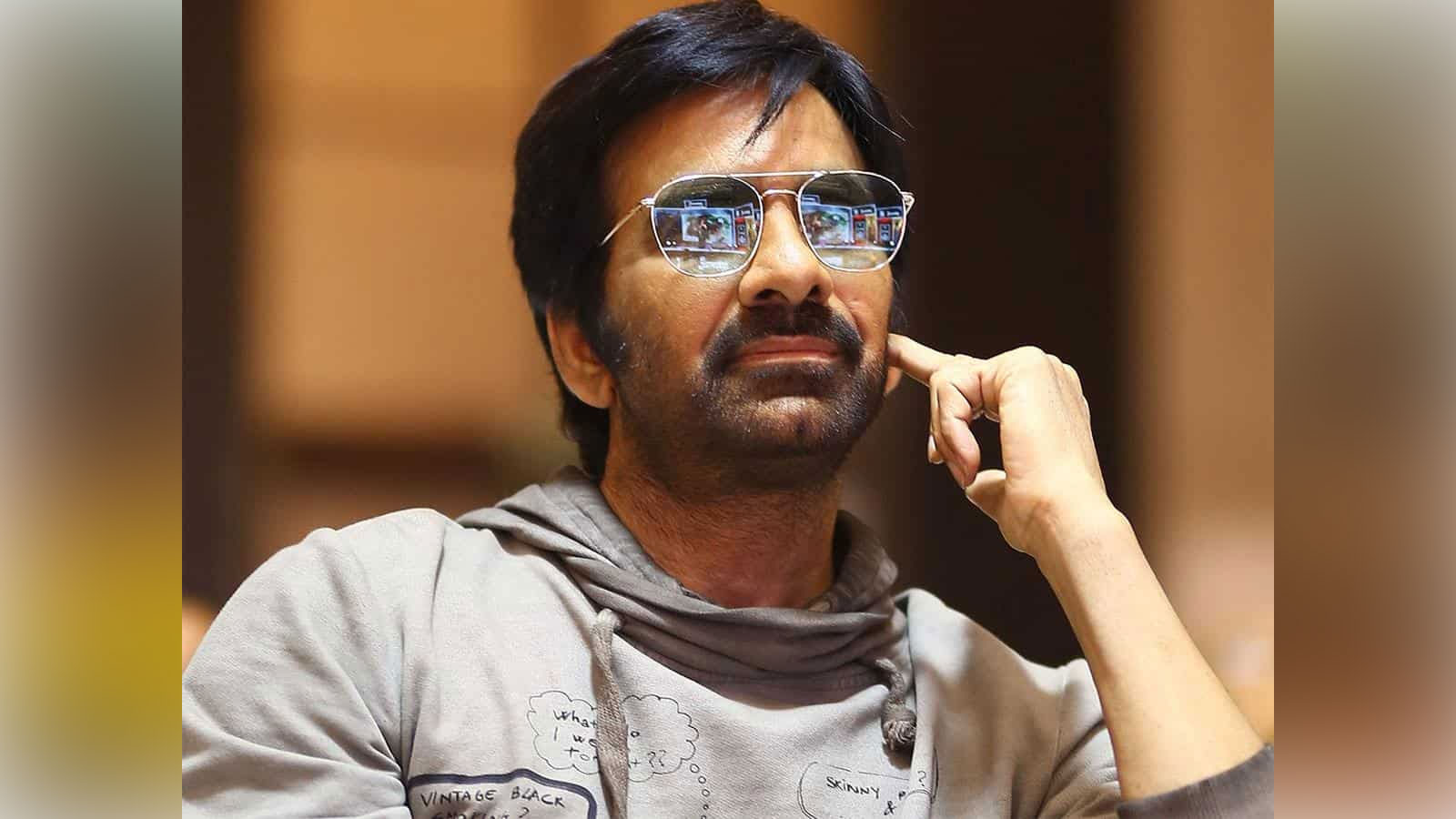


Ravi Teja has struck a major financial jackpot with his latest release, Irumudi, benefiting significantly from a creative remuneration structure alongside the film’s strong box office momentum. Rather than taking a massive upfront fee, the actor reportedly received an estimated Rs 8 crore in remuneration while retaining the Nizam theatrical rights. With positive word of mouth driving strong box office collections, conservative estimates suggest the Nizam rights alone could fetch at least Rs 20 crore, potentially bringing his total earnings from the project to around Rs 28 crore—far exceeding his standard upfront remuneration.
The film’s overall landing cost, including promotions and interest, is reported at approximately Rs 42 crore, while theatrical rights in other regions were sold at reasonable prices. Combined with strong OTT and auxiliary revenues, the production venture remains profitable for the makers despite sharing territorial rights. This innovative profit-sharing model offers a balanced framework for producers working with established stars, reducing upfront financial pressure while rewarding actors based on theatrical performance. Following recent setbacks, this successful gamble on Irumudi could set a new precedent for how star remuneration and business upside are structured in the industry.