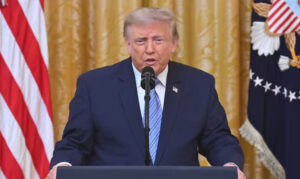


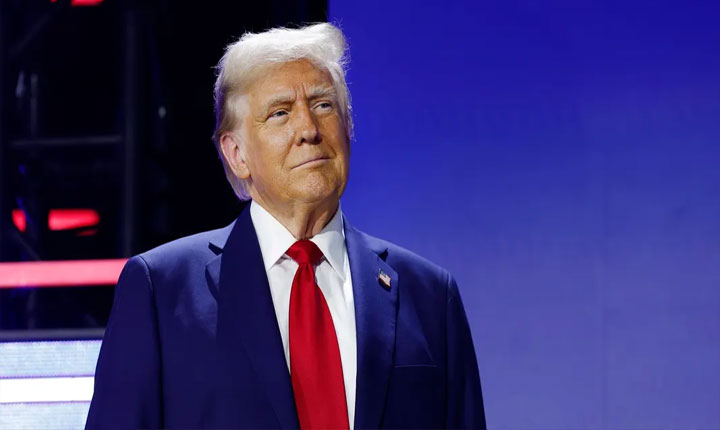


US President Donald Trump utilized his Labor Day proclamation to champion a proposed fee on H-1B visa petitions, asserting that the measure will incentivize American companies to invest in domestic talent before seeking labor overseas. The H-1B program is heavily utilized by US technology firms and other corporations to recruit highly skilled foreign professionals, with Indian nationals historically representing the largest share of beneficiaries, making policy shifts a matter of intense interest in India and among the US Indian professional community.
Department of Homeland Security’s Proposed Rule and Prior Legal Hurdles:
The fee highlighted by Trump is part of a formal rulemaking process rather than an immediate levy. Last month, the Department of Homeland Security proposed a $103,265 fee for all H-1B petitions subject to the annual numerical cap, including advanced-degree exemptions, to be paid upon filing alongside existing immigration fees to cover federal administrative costs. This follows an earlier attempt by the administration to levy a $100,000 fee on new H-1B visas, which was struck down by a federal judge in Massachusetts in June for exceeding executive authority, with a federal appeals court subsequently denying a stay on that ruling in July. Consequently, the new proposal remains a pending rule rather than an active charge for employers.
Broader Economic Strategy and Manufacturing Focus:
Trump framed the H-1B initiative within a larger economic strategy centered on trade, tariffs, manufacturing, and job protection. Highing domestic industrial growth, he credited protective tariffs with shielding American workers from foreign competition and pointed to six consecutive months of manufacturing expansion, alongside trillions of dollars in returning corporate investments and over 900,000 added American jobs. The proclamation officially designated September 7 as Labor Day to honor the resilience and contributions of the national workforce.