


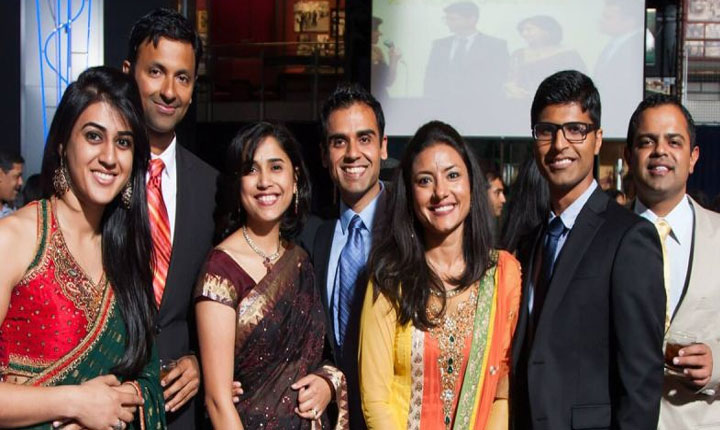


Philanthropy within the Indian American community is experiencing substantial growth, with donors actively contributing financial resources, time, and professional expertise to support causes across both the United States and India. A comprehensive new report titled Indian American Philanthropy: Strengthening Values and Community Across Generations, published by The Bridgespan Group and the Ford Foundation, draws on data and insights from over 60 donors, nonprofit leaders, and sector experts. This philanthropic momentum coincides with significant demographic and economic expansion: the Indian American population has grown from approximately 360,000 in 1980 to 5.2 million, with households reporting a median annual income of $151,200 in 2023, compared to $80,610 for typical U.S. households. Meena Lakdawalla-Flynn of Goldman Sachs noted that the community ranks among the most generous she has encountered. According to the study, three primary forces motivate this giving: expressing personal values and family histories, building interconnected communities, and bridging cultural values across generations.
Impact Across Education, Professional Skills, and Grassroots Relief:
Education remains a cornerstone of diaspora giving, with higher education in the United States alone receiving upwards of $3 billion from Indian American donors since 2008. Numerous donors also champion educational initiatives in India inspired by their family backgrounds. For instance, Sapna Saxena of Neel Capital Management supports cultural and educational programs through the Saxena Family Foundation, while Rashi Mehta founded the Iron Lady Foundation to promote girls’ education and women’s empowerment in rural Rajasthan. Professional expertise heavily shapes these efforts as well; Deepak Chopra invests roughly $18 million annually into the Freedom Employability Academy, which equips youth in northern India with critical English, digital, and AI literacy skills. In the realm of community relief, BU Patel and the Tarsadia Foundation leveraged lessons from the 2001 Gujarat earthquake to commit $10 million to the Rebuild India Fund via Dasra, delivering flexible, multi-year support to grassroots organizations serving marginalized populations. Furthermore, institutional networks like Pratham USA and Akshaya Patra mobilize tens of thousands of individual donors and volunteers annually to sustain large-scale educational and nutritional programs.
Intergenerational Engagement and Strategic Recommendations:
Families are increasingly utilizing philanthropy as a vital instrument to pass down cultural heritage and traditions to younger generations born and raised in the U.S. Foundations such as the Tarsadia, Vijay and Marie Goradia, and Desai Sethi foundations actively engage younger family members through structured service trips and youth ambassador initiatives managed alongside groups like the American India Foundation and the India Philanthropy Alliance. Despite this strong trajectory, the report highlights notable obstacles including difficulties in identifying high-impact organizations, verifying credibility, and navigating complex cross-border regulations. To maximize future impact, researchers recommend fostering stronger donor networks, simplifying regulatory compliance, creating trusted funding channels, and expanding support for women-focused philanthropy, noting that women donors often report being under-engaged despite immense potential.