


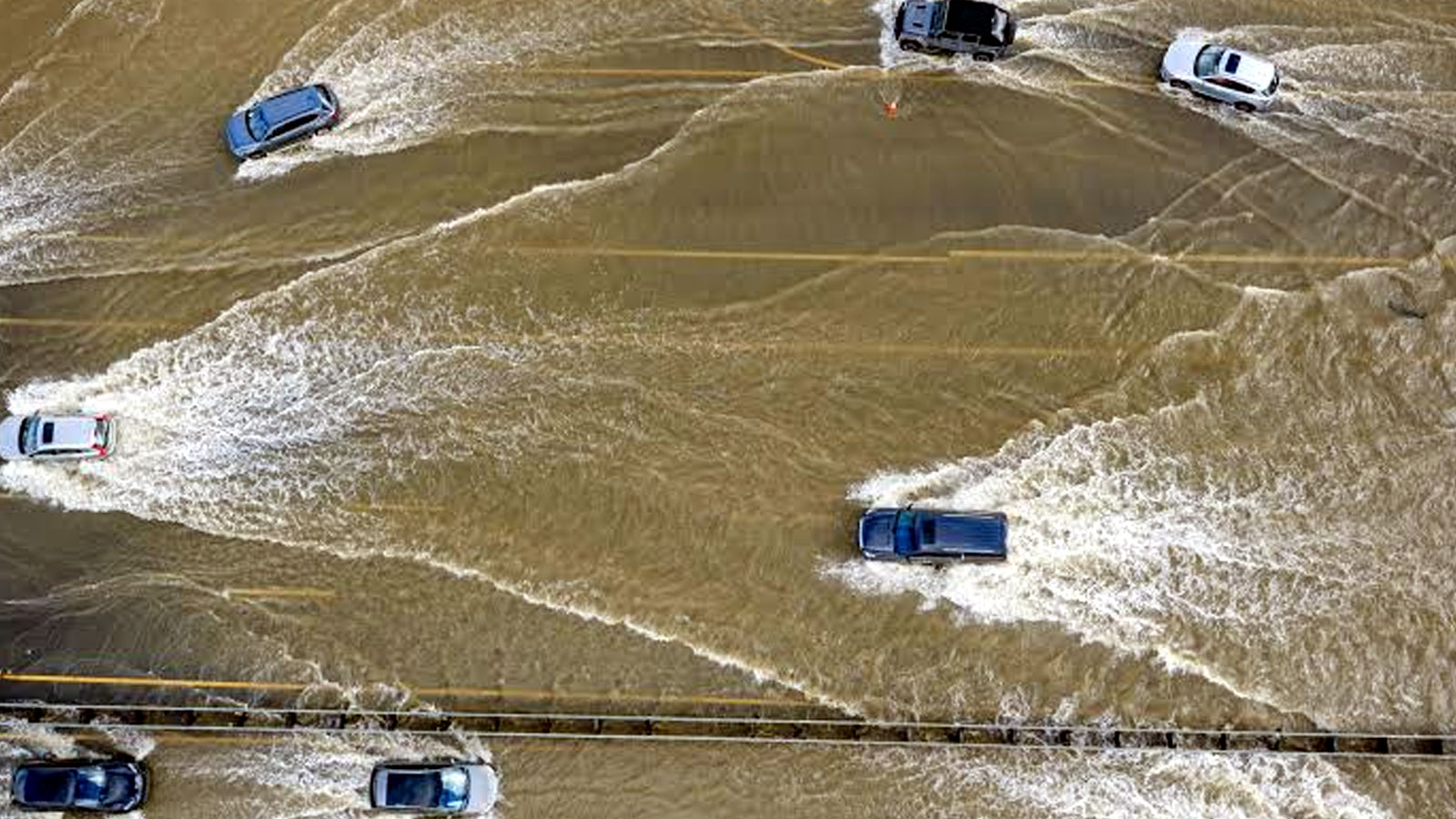


SAN FRANCISCO — Climate scientists and emergency officials are urging Northern California residents to prepare for severe winter weather as predictive models point to an exceptionally strong “super El Niño” event. Speaking at a statewide virtual town hall hosted by State Senator Mike McGuire (D-Healdsburg), experts highlighted the potential for record coastal flooding, heavy rainfall, and elevated wildfire risks driven by record-high Pacific Ocean temperatures.
The virtual event drew nearly 6,000 online viewers as panelists outlined the potential regional impacts of the shifting climate pattern.
Escalating Climate Risks & Marine Warming
An El Niño occurs when the Eastern Tropical Pacific Ocean undergoes temporary warming, altering global weather patterns. However, scientists note that current sea surface temperatures in the region have reached unprecedented levels.
Record Sea Levels: Mark Merrifield, Director of the Scripps Center for Climate Change Impacts and Adaptation, warned that California could experience the highest sea levels ever recorded along its coastline. Increased wave action and winter king tides are expected to compound coastal flooding, extending into the San Francisco Bay and the Sacramento–San Joaquin River Delta.
Peak Storm Timeline: According to meteorologist Mark Tamayo, an intensified storm track could bring heavy precipitation to Northern California, with rainfall expected to peak between December and January.
Thunderstorm & Wildfire Hazards: Dry conditions combined with atmospheric instability could trigger lightning storms, raising the risk of severe wildfires across susceptible terrain.
Climate scientist Daniel Swain noted that current predictive models suggest this event could exceed the magnitude of any previously recorded El Niño in the modern era, making early preparation critical.
Emergency Preparedness Recommendations
Nate Ortiz, Assistant Director of Planning and Preparedness at the California Office of Emergency Management, urged residents to take proactive safety measures:
Alert Subscriptions: Sign up for local emergency notifications to receive real-time weather updates.
72-Hour Survival Kits: Assemble a mobile “go bag” containing essential survival items, key documents (passports, identification), cash, and pet supplies.
Resource Readiness: Keep mobile devices fully charged and ensure personal vehicles are fueled or charged ahead of severe weather events.
While experts emphasize that these long-range predictions are not guaranteed, current oceanic conditions warrant heightened readiness across the Bay Area.