




California lawmakers are actively advancing Senate Bill 966, a union-backed initiative designed to permanently enshrine critical refinery safety protections into state law. The proposed legislation seeks to codify existing safety measures specifically those established following catastrophic incidents like the 2012 Chevron refinery fire in Richmond to ensure they remain intact as state regulators undertake a contentious revision process. Proponents, led by the United Steelworkers, argue that these rules are essential for maintaining life-saving safeguards, including the right of employees to refuse dangerous work, engage in safety reviews, and report hazards anonymously.
Corporate Opposition and Regulatory Conflict:
The legislation faces fierce resistance from the Western States Petroleum Association (WSPA), the state’s primary oil lobby, along with major industry players such as Chevron, Marathon Petroleum, and PBF Energy. These entities represent nearly 90% of California’s total crude oil refining capacity. Industry lobbyists, including WSPA’s Zach Leary, argue that the bill creates “regulatory whiplash” by effectively overriding a 2024 legal settlement in which the industry agreed to drop years of litigation in exchange for a regulatory rewrite. Furthermore, Governor Gavin Newsom’s Department of Finance has registered its opposition, citing potential budgetary impacts, increased exposure to litigation, and conflict with ongoing rulemaking processes.
Addressing Historical Safety Concerns:
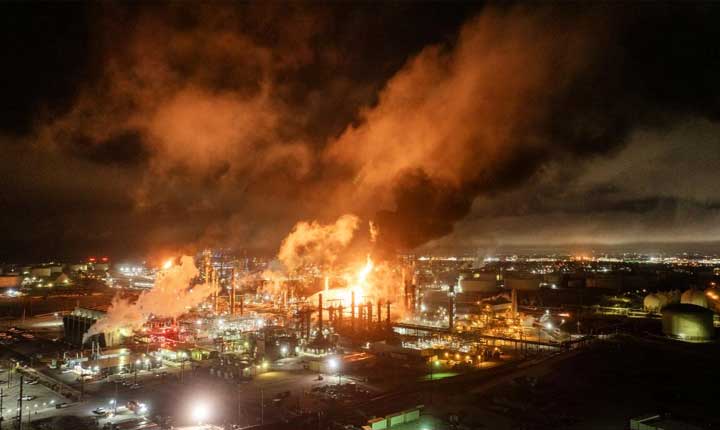
The focus on refinery safety has sharpened following a series of high-profile accidents, most recently an explosion at Chevron’s El Segundo refinery last year that sent pillars of fire into the air and alarmed surrounding communities. California’s current safety framework, built on the concept of “process safety,” was largely developed in the wake of the 2012 Richmond fire which resulted in 15,000 people seeking medical aid and a 2015 incident at a Torrance refinery that nearly caused a deadly release of modified hydrofluoric acid. These rules mandate that refineries proactively identify hazards and grant workers a central role in safety investigations.
Political Context and Ongoing Struggle:
The move to codify these rules originated from deep-seated distrust following the 2024 settlement between the state and the oil industry, which many labor advocates felt resulted in the California Environmental Protection Agency (CalEPA) “folding” on key protections. United Steelworkers leaders contend that the state’s willingness to amend these rules prompted the current legislative push to ensure they are beyond the reach of industry settlements. While campaign contributions from these specific factions are relatively modest, WSPA remains one of the most powerful lobbying forces in the state Capitol. As California continues to grapple with the highest gasoline prices in the nation and the geopolitical strain of the Iran war on crude oil costs, the battle over refinery safety underscores the broader tension between economic stability, industrial oversight, and the physical safety of workers and local residents.