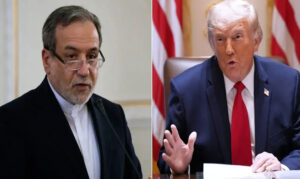


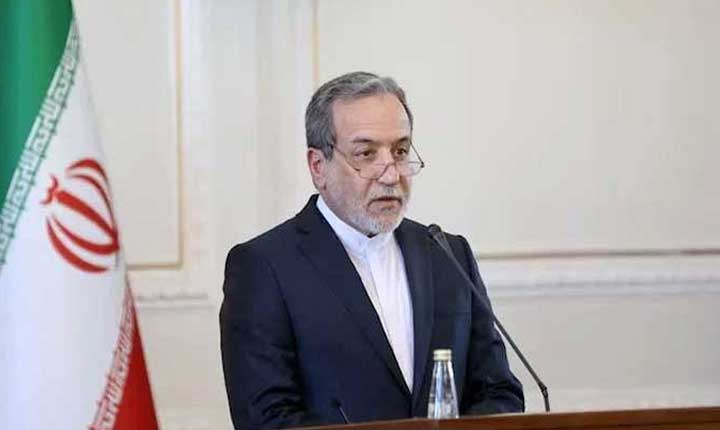


Iran’s Foreign Minister, Seyed Abbas Araghchi, publicly rejected assertions that Tehran is engaged in direct formal negotiations with the United States. Speaking to reporters in Tehran, Araghchi clarified that while indirect communications occur via intermediaries, these interactions do not constitute formal talks. He emphasized that substantive negotiations remain entirely impossible until Washington halts its ongoing violations of the memorandum of understanding signed under the June interim peace deal. This firm position directly counters recent claims by U.S. President Donald Trump, who stated that Washington and Tehran are currently engaged in “semi-negotiating.”
U.S. Strategy and the Geopolitical Significance of the Strait of Hormuz:
President Trump has signaled a preference for leveraging compounding economic pressure against Iran rather than initiating a new military offensive. The ongoing conflict sparked by joint U.S. and Israel strikes launched in late February centers heavily on control of and security within the Strait of Hormuz, a critical global shipping passageway where Washington has targeted operations to protect maritime vessels. According to insights shared by U.S. officials with the Wall Street Journal, President Trump has privately considered declaring a strategic victory if the strait successfully reopens, potentially even walking away without pursuing a comprehensive nuclear agreement. However, Tehran’s uncompromising stance poses a significant obstacle to that objective.
Iran’s Comprehensive Conditions for Reopening the Waterway:
Iran remains adamant that the vital shipping route will stay restricted until the United States fundamentally alters its conduct and fulfills a sweeping set of prerequisites. Tehran’s demands include:
Ceasing all hostile actions and aggression against Iran and its regional allies.
Lifting economic constraints and unfreezing sovereign Iranian financial assets.
Providing financial compensation for war-related damages.
Despite remaining steadfast on these broader geopolitical demands, Foreign Minister Araghchi confirmed that Iran is actively nearing a separate pact with Oman to establish and demarcate alternative shipping lanes in the strait. Nevertheless, officials reiterate that commercial navigation through the primary waterway will not resume until the United States rectifies its behavioral violations, complicating Washington’s exit strategy from the multi-faceted conflict.