

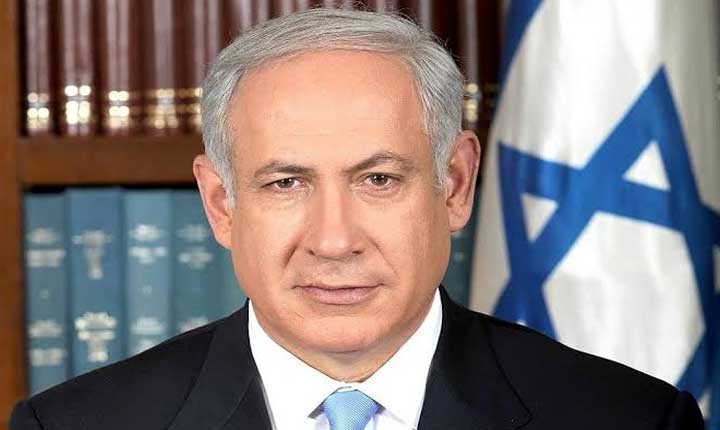


Israeli Prime Minister Benjamin Netanyahu is currently navigating a high-stakes political tightrope, attempting to balance conflicting demands from his far-right domestic coalition partners and key international allies. With an Israeli election approaching in just over two months, Netanyahu publicly rejected a US-backed 15-point plan for Gaza, which included a Hamas commitment to disarm. According to reports from Israel’s Channel 12, the public dismissal blindsided military commanders, who noted that Netanyahu had personally consented to the plan and discussed precise boundaries for pilot military withdrawals in southern Gaza just days earlier. Analysts suggest the public rejection was designed to placate hardline coalition members who advocate for intensified military action and the re-establishment of settlements.
Friction with the US and the Trump Administration:
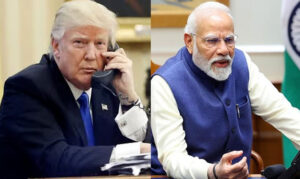
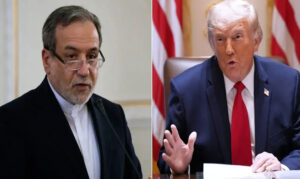
Netanyahu’s public defiance comes amid heavy pressure from US President Donald Trump, who wants to wind down conflicts in Gaza and Lebanon and transition control to a Board of Peace. The rejection followed a visit by US Central Command head Admiral Brad Cooper to deliver Washington’s message to shut down active theatres of operation. Defying Trump carries substantial risks given Israel’s international isolation and its reliance on American military supplies. However, Washington has largely written off Netanyahu’s rhetoric as election-year posturing, particularly because the Israeli military has quietly implemented steps aligning with US wishes, such as scaling back airstrikes by raising the threshold for authorising attacks and reining in operations in Lebanon and Iran.
The Humanitarian Situation in Gaza:
While political manoeuvring dominates headlines, the humanitarian crisis in Gaza persists. Palestinians have endured nearly a year of deadly limbo following a nominal ceasefire brokered by Trump last October. Ongoing Israeli attacks have claimed over 1,200 lives, while restrictions on equipment, supplies, and fuel have crippled reconstruction efforts for homes, schools, and medical facilities. The majority of surviving residents remain confined to unsanitary tent camps. Although acute hunger has somewhat diminished, widespread food shortages continue, with security experts projecting that over 70,000 children will require treatment for acute malnutrition through April 2027. Meanwhile, Netanyahu’s office has formally denied reports that he engaged in detailed discussions regarding troop withdrawals from Gaza.