

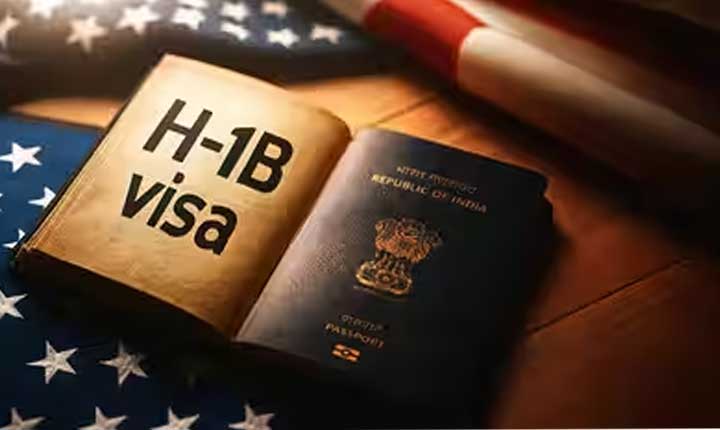


A new proposal from the Trump administration aimed at modifying fees linked to H-1B worker petitions has successfully cleared a key White House review. According to Bloomberg Law, the measure identified under the regulatory tracking number RIN 1615-AD20 received clearance from the Office of Information and Regulatory Affairs (OIRA) and is anticipated to be released to the public shortly. This development holds substantial importance for Indian professionals and other foreign nationals working across specialized fields such as technology, engineering, and healthcare, where the H-1B program serves as a primary employment pathway.
Fee Details and Rulemaking Process Remain Pending:
Although the regulatory initiative focuses on petition fees for specific categories of H-1B workers, the complete text and official rules have not yet been made public. Consequently, exact fee amounts, the specific classes of employers or petitions affected, and the precise implementation timeline remain undisclosed. Industry experts emphasize that OIRA clearance does not enact an immediate change; the proposal must still undergo formal publication and the standard federal rulemaking process before any new fee requirements can take legal effect.
Part of a Broader Administration Overhaul:
This regulatory step aligns with a series of broader initiatives by the Department of Homeland Security (DHS) to reshape the H-1B visa landscape. These ongoing efforts include the implementation of a $100,000 fee introduced for specific H-1B workers recruited from outside the United States, alongside separate proposals designed to adjust eligibility criteria for cap exemptions, increase regulatory oversight on third-party placements, and elevate scrutiny on employers regarding compliance. According to federal officials, these measures are intended to safeguard domestic labor wages and reinforce program integrity.
Impact on Indian Nationals and Technology Sectors:
Historically, Indian nationals have comprised the overwhelming majority of H-1B visa beneficiaries, particularly within the U.S. technology ecosystem. Adjustments to petition-related costs can significantly inflate sponsorship expenses for corporations, hitting smaller businesses and startups relying heavily on specialized international talent with disproportionate intensity. Following previous adjustments like the U.S. Citizenship and Immigration Services (USCIS) fee schedules, stakeholders are closely watching these ongoing regulatory shifts.
Next Steps in Federal Rulemaking:
With the OIRA review concluded, the next phase involves official publication by DHS, after which employers, immigration attorneys, and advocacy groups will have an opportunity to review the text and submit public comments. DHS will evaluate feedback before deciding whether to advance a final rule, indicating that further adjustments to the cost structure and administrative rules of the H-1B program are likely in the coming months.