



WASHINGTON — US President Donald Trump signed two new executive orders on Thursday aimed at restricting birthright citizenship and curbing commercial “birth tourism”. The action revives his administration’s push to alter citizenship eligibility requirements just weeks after the US Supreme Court struck down a similar directive.
The first executive order targets commercial birth tourism by seeking to deny US entry to individuals engaging in the practice. The second expands the categories of non-citizens whose children will be deemed ineligible for automatic citizenship. These measures come shortly after the Supreme Court’s June 30 ruling, which overturned Trump’s previous order and reaffirmed that the Fourteenth Amendment guarantees automatic citizenship to virtually everyone born on US soil.
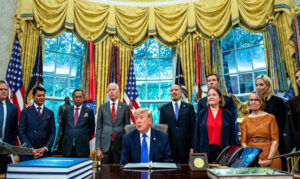
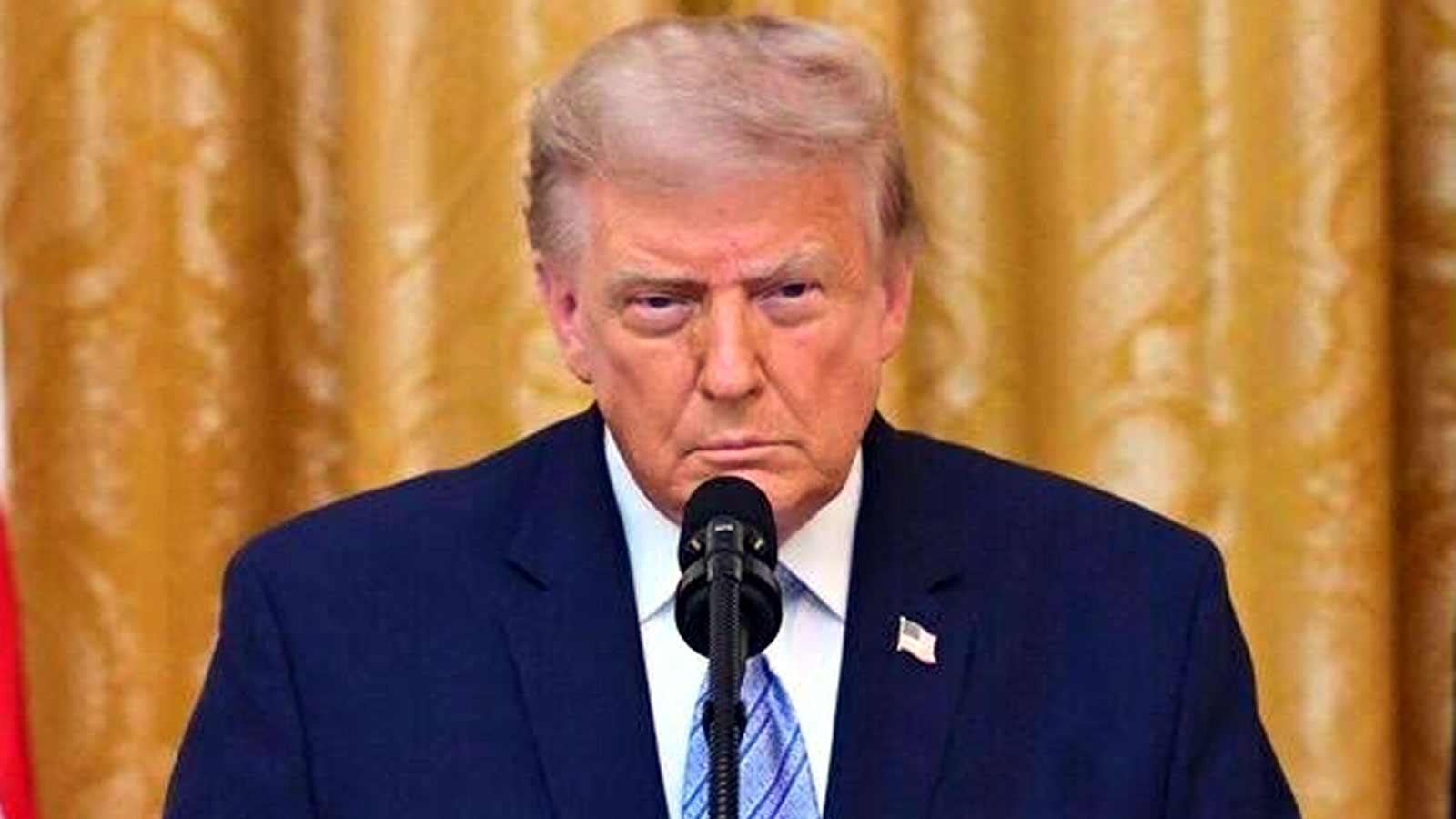
Speaking to reporters in the Oval Office alongside White House Deputy Chief of Staff Stephen Miller and other key officials, Trump expressed frustration over the judicial ruling. He argued that the Fourteenth Amendment, ratified in 1868 to grant citizenship to former slaves following the Civil War, was currently being exploited by commercial operators. Miller defended the policy shift, claiming that foreign nationals use birth tourism to access domestic welfare programs, voting rights, and federal benefits.
Under the newly signed provisions, the White House outlines specific instances where children will be denied citizenship documentation. This includes children born to mothers who entered the country through commercial arrangements intended specifically for childbirth, as well as children of foreign government personnel, members of terrorist organizations, and individuals born in specific US territories excluded by federal law.
The executive orders drew immediate backlash from constitutional scholars and advocacy groups. Legal experts pointed out that the new directives face severe constitutional hurdles under the Fourteenth Amendment, criticizing the broad language regarding commercial transactions as legally vague. Meanwhile, civil rights organizations like the American Civil Liberties Union noted that the core issue was already settled by the Supreme Court, predicting that the new executive orders will face a similar judicial defeat in federal court.