



Trade relations between the United States and Canada have deteriorated sharply following the collapse of high-stakes bilateral negotiations. In response to sweeping American duties implemented over the weekend, the Canadian government announced retaliatory tariffs ranging from 15 to 50 percent on approximately $20 billion worth of American goods, effective September 8.
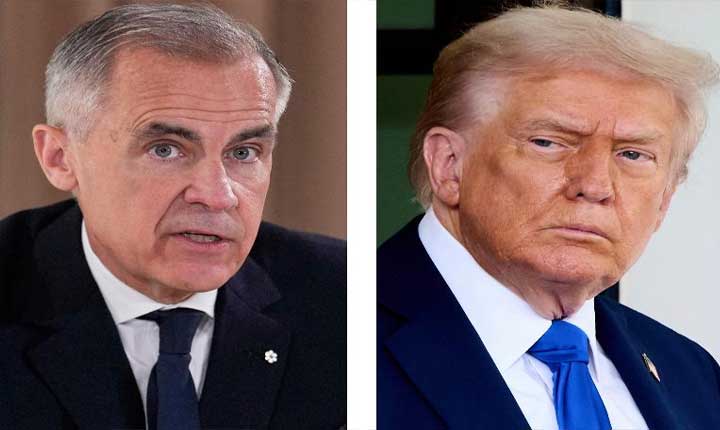
The escalating economic friction has been accompanied by a dramatic escalation in political rhetoric. US President Donald Trump threatened to unilaterally rename Lake Ontario as “Lake America,” renewed his controversial push for Canada to become the 51st US state, and traded barbs with regional Canadian leaders. While Canadian Prime Minister Mark Carney’s administration has unveiled a multi-billion-dollar support package for domestic industries, economists warn that a prolonged trade conflict could severely disrupt deeply integrated cross-border supply chains.
Breakdown of the Economic Retaliation:
Canadian officials confirmed that the retaliatory measures are designed to mirror American duty levels, targeting key industrial sectors such as steel, aluminum, dairy, appliances, and electronics.
50 Percent Tariffs: Applied directly to US steel and aluminum products that previously faced a 25 percent levy.
25 Percent Tariffs: Imposed on everyday consumer and commercial goods, including household appliances and dairy items like cheese.
15 Percent Tariffs: Directed at specialized categories, encompassing specific electrical equipment and tools.
To cushion the blow for vulnerable domestic sectors, Finance Minister Francois-Philippe Champagne announced a robust $5.4 billion financial aid package aimed at impacted corporations and workers. Government ministers emphasized that the response is strategic, proportionate, and structured to demonstrate national unity. Industry Minister Melanie Joly further urged consumers to back local enterprises while laying the groundwork to diversify commerce with alternative international trading partners.
According to independent projections by Oxford Economics, the ongoing tariff cycle elevates the effective US tariff rate on Canadian exports from 5.1 percent to 6.9 percent, with manufacturers residing in Ontario, Quebec, and New Brunswick shouldering the heaviest burden.
Political Rhetoric and Territorial Provocations:
The breakdown of the USMCA-related negotiations has triggered unprecedented diplomatic friction between the two historically allied nations. Tensions flared further after Ontario Premier Doug Ford responded aggressively to Trump’s threat to double automotive tariffs to 50 percent, telling the US president to “kiss my ass” and threatening a retaliatory surcharge on cross-border electricity exports.
President Trump responded sharply on social media, warning of severe consequences and branding Prime Minister Carney as a “governor” while reviving proposals for Canada to join the Union.
Escalating the dispute on Tuesday, Trump targeted geographic nomenclature on his Truth Social platform:
“The United States is giving serious consideration to changing the name of Lake Ontario to Lake America in that we don’t expect to be doing much business with Ontario any longer.”
This mirrors a prior diplomatic maneuver where Trump attempted to rename the Gulf of Mexico to the “Gulf of America,” a designation formally rejected by the Mexican government. Furthermore, Prime Minister Carney revealed that trade talks collapsed after American negotiators introduced late-stage demands restricting Canada’s external trade agreements and making what Ottawa characterized as unacceptable threats targeting Quebec culture and the French language assertions that the White House subsequently dismissed as political posturing.