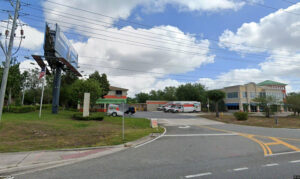


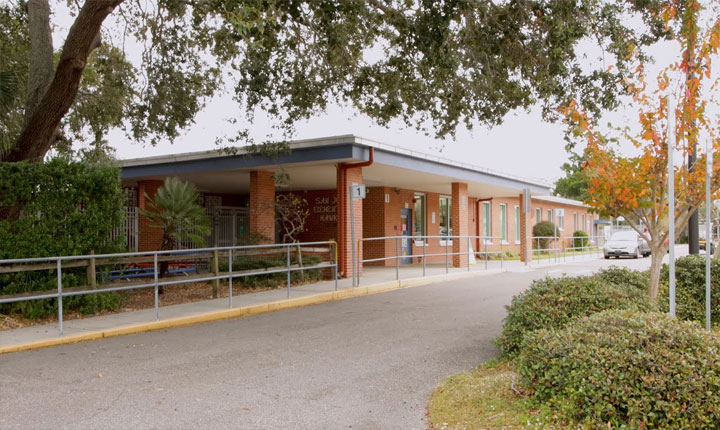


The 9.5-acre site of the former Glider Elementary School at 511 Cozy Drive in South San Jose is positioned to become a residential neighborhood. Purchased by True Life Companies from the Oak Grove School District, the property is planned for redevelopment into a mix of 80 homes, consisting of 64 detached houses and 16 attached townhouses. The San Jose Planning Commission unanimously voted to recommend the project on August 26, setting the stage for a San Jose City Council approval vote on September 15. Out of the total units, 11 homes will be deed-restricted for low-income households at 80% of the Average Median Income (AMI). The two-story townhouses measure 1,233 square feet, while the detached houses range from 1,896 to 2,234 square feet, featuring three to four bedrooms and two and a half to three bathrooms. The development will also feature a public 0.68-acre park.
Financial Relief for the Oak Grove School District:
The $26.6 million transaction provides crucial financial support for the Oak Grove School District, which originally closed Glider and two other schools in 2018 due to declining enrollment. Serving approximately 8,375 students across 18 schools, the district faces ongoing budget pressures as state funding directly ties to student attendance. District officials intend to use the funds for one-time purposes to ensure long-term fiscal stability, maintain educational programs, upgrade facilities and technology, and retain educators and staff. Although leasing the property to private schools was considered, officials worried it could cause long-term enrollment erosion for public schools that would outweigh the rental revenue.
Community Perspectives and Broader Housing Needs:
While city officials and planning commissioners championed the project for incorporating affordable housing and addressing municipal housing mandates such as San Jose’s requirement to build 62,200 homes by 2031 some local residents voiced concerns over neighborhood character, environmental effects, and traffic impacts. Supporters, including local parents and planning leadership, emphasized that densification is essential to accommodate working families and counteract the out-migration driven by high living costs in the region. District superintendent Ivan Chaidez framed the project as a responsible transformation of an underutilized public asset into a lasting investment supporting student futures.