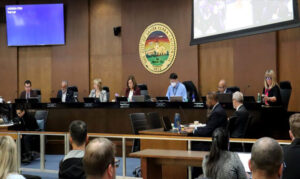




Downtown Parking Board Vice Chair Tamiko Rast has issued an open letter calling on San Jose city leaders to pause discussions on a controversial plan to increase parking rates and expand enforcement. Rast argued that before approving a five-year phased hike, the city must first address longstanding concerns regarding the management and transparency of the $15 million annual revenue generated by meters and garages. The proposal, slated to go before the City Council, aims to combat a city budget deficit expected to top $26 million by raising downtown meter rates from $2 to $3 per hour in 2027, and subsequently to $4 by 2030, alongside extended operating hours until 9 p.m.
Revenue Mismanagement and Infrastructure Underinvestment:
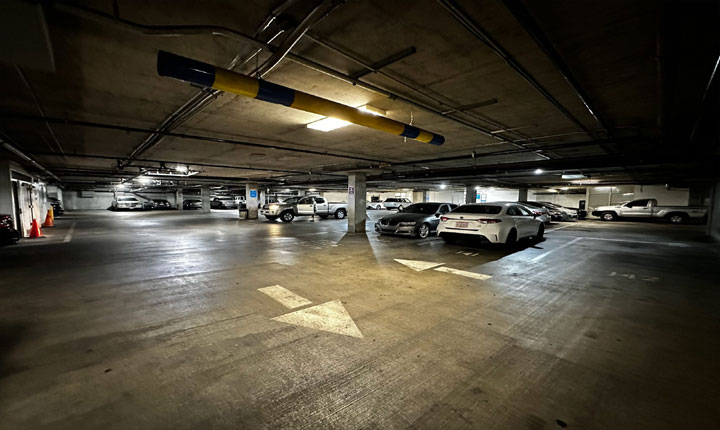
Rast criticized the Department of Transportation’s oversight of the municipal Parking Fund, highlighting chronic underinvestment that has led to deteriorating, dilapidated conditions, poor lighting, and security issues at city-run facilities like The Globe Parking Garage. Business leaders and board members have long complained that parking fee revenues are improperly diverted to unrelated programs—such as fireworks, business development, and the downtown ice rink rather than being reinvested into parking infrastructure. Furthermore, critics warn that higher parking fees and new barriers to entry will damage the local economy by discouraging visitors from returning to downtown establishments.
Transparency Concerns and Demands for Reform:
Beyond financial allocation disputes, Rast raised serious concerns regarding administrative transparency, alleging that transportation officials have failed to provide timely financial data, stymied the advisory board’s oversight role, and withheld information regarding ongoing legal disputes, such as a 2021 lawsuit involving The Globe Parking Garage management. Joined by downtown business advocates like San Jose Downtown Association CEO Brian Kurtz, opponents are urging the City Council to defer the vote to establish a transparent reinvestment plan and ensure that user-experience and facility maintenance needs are prioritized before any rate adjustments take effect.