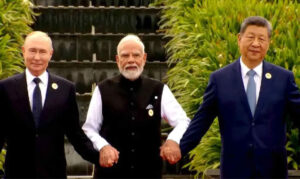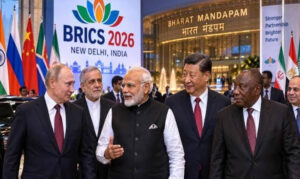


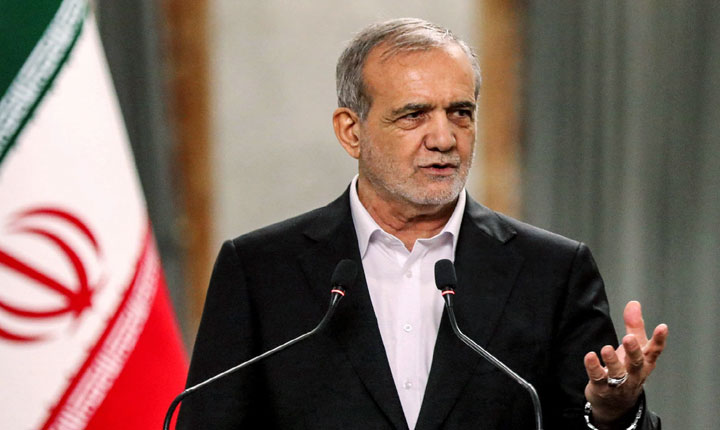


Iranian President Masoud Pezeshkian announced on Tuesday that Iran is prepared to honor the June ceasefire agreement with the United States if Washington reciprocates, marking a conciliatory pivot following the first exchange of direct fire between the two nations in a month. Speaking on the sidelines of the Shanghai Cooperation Organization summit in Kyrgyzstan attended by leaders from China, Russia, and India Pezeshkian stated that Iran would immediately match any U.S. return to the commitments outlined in the previous memorandum of understanding, a sentiment echoed by meetings held by Iran’s foreign minister with his Chinese counterpart and upcoming talks with Russian President Vladimir Putin.
The Breakdown and Revival Prospects of the June Ceasefire:
The June framework originally established an immediate ceasefire and initiated a 60-day window for comprehensive peace talks, under which Tehran agreed to clear the Strait of Hormuz of mines while Washington committed to lifting sanctions, ending its naval blockade, issuing oil export waivers, and initiating reconstruction assistance. However, the agreement collapsed rapidly; the fragile lull shattered over the weekend when U.S. forces targeted Iranian missile launchers on Larak Island, prompting retaliatory Iranian missile strikes on U.S. military bases in Jordan that were successfully intercepted. Despite Pezeshkian’s diplomatic stance, internal tensions remain high as Iran’s powerful paramilitary Revolutionary Guard continues to demand stricter terms, including financial compensation and total Iranian control over the Strait of Hormuz, conditions unlikely to gain traction in Washington.
Escalating Attacks in and Around the Strait of Hormuz:
Simultaneously, maritime security concerns heightened following reports from the British military’s United Kingdom Maritime Trade Operations (UKMTO) center and maritime risk firm Ambrey regarding two separate vessel attacks in and around the strategic waterway. A tanker exiting the Persian Gulf east of Oman was struck by three projectiles on Monday without casualties or environmental damage, while a second incident involved a tanker intercepted by military forces and left adrift off the Omani coast. While no group claimed immediate responsibility, ongoing restrictions and hostilities have kept the vital trade route volatile amidst persistent U.S. and Iranian naval operations.