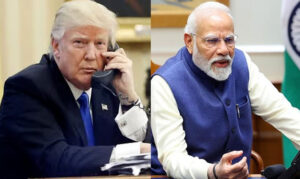


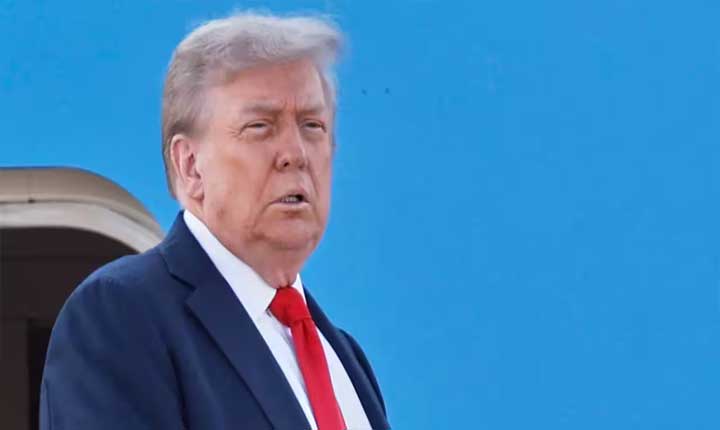


India’s democratic framework and robust electoral processes have once again drawn international acclaim. U.S. President Donald Trump has publicly lauded India’s stringent voter identification system and mandatory photo ID requirements, strongly advocating for a similar rigorous framework to be implemented in the United States to safeguard electoral integrity.
The Comparison Between U.S. and Indian Voting Practices:
Pointing to the mammoth scale of India’s elections specifically referencing the 2024 general elections where approximately 64.6 million citizens exercised their franchise transparently with minimal postal voting Trump highlighted the discipline and efficacy of India’s system. He questioned why the U.S. cannot enforce mandatory photo identification norms similar to India’s, where photo verification is a prerequisite for casting a ballot.
Legislative Debates and the ‘Save America Act’:
This praise coincides with intense political discourse in the U.S. surrounding the proposed “Save America Act,” which aims to mandate stricter identity and citizenship documentation for federal elections. While supporters argue these measures are crucial for preventing electoral fraud, critics within the U.S. Congress raise concerns that rigid documentation rules could disenfranchise vulnerable or low-income voters who lack immediate access to specific identification documents.
Global Shift in Democratic Standards:
Observers note that Western platforms historically prone to underestimating developing nations are now looking toward India’s electoral design as a benchmark for administrative efficiency and transparency. For comprehensive information and official guidelines regarding election procedures, voter registration, and polling protocols, citizens and researchers are advised to consult the Election Commission of India or relevant regional election authorities.