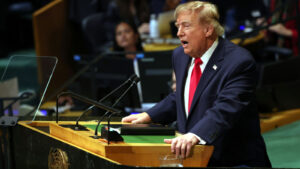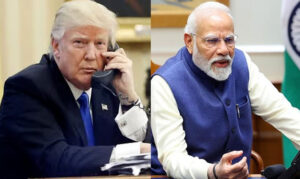


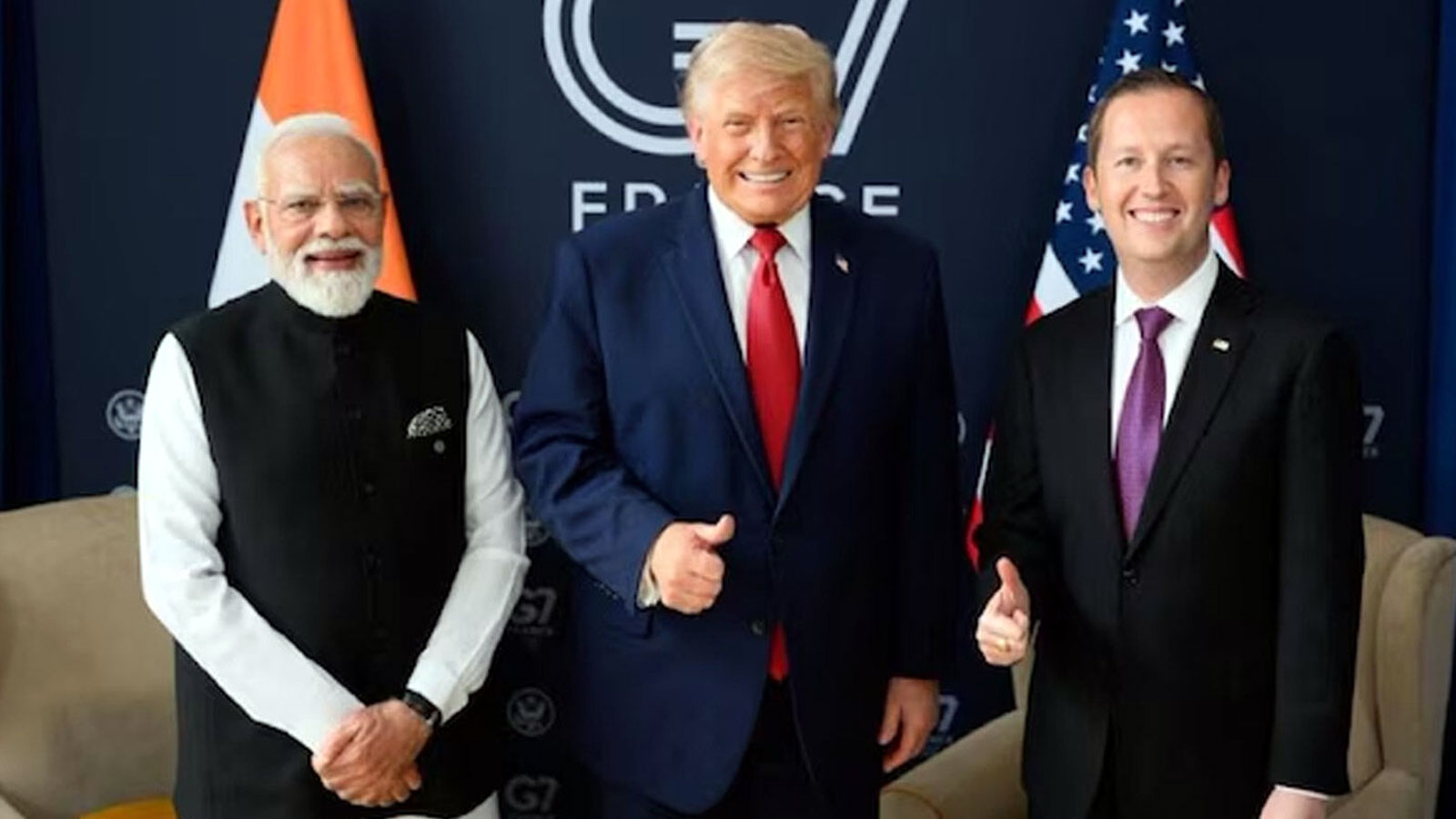


Prime Minister Narendra Modi has long maintained a reputation for avoiding unscripted press conferences, and recent remarks by U.S. Ambassador to India Sergio Gor indicate that this preference for tightly controlled public appearances extends to high-level international travel. According to Gor, Indian officials specifically requested that the United States block reporters from asking questions during a meeting between Modi and U.S. President Donald Trump on the sidelines of the G7 summit in Evian-les-Bains, France, last June. Although Trump initially agreed to the condition, he appeared to forget the arrangement once the session began, transforming what was intended to be a brief media appearance into an extensive 45-minute question-and-answer session with Modi standing alongside him.
Speaking at the Economic Times World Leaders Forum on August 22, Gor shared details of his pre-meeting conversation with Trump. When the U.S. president inquired about India’s agenda and requests, Gor explained that the Ministry of External Affairs (MEA) had a single priority: allowing the media into the room for opening remarks while omitting a full press conference and any follow-up questions. Gor recalled telling Trump that the Indian delegation preferred no questions, to which Trump responded affirmatively. However, after delivering their opening statements, Trump turned to the press corps and opened the floor to inquiries, prompting Modi to remain silent as questions were fielded.
In response to the revelation, Indian government sources sought to minimize the episode, characterizing the request as standard operating procedure and normal diplomatic protocol for VVIP visits. Nevertheless, the disclosure arrives on the heels of previous international scrutiny during Modi’s diplomatic tours to Europe, Australia, and New Zealand earlier in the year, where local journalists repeatedly questioned Indian diplomats regarding the prime minister’s reluctance to engage with the press. Notable incidents included Norwegian journalist Helle Lyng publicly asking Modi whether he would take questions from a free press during his European visit, and Australian media outlets highlighting his lack of open press interactions.
The situation mirrors previous diplomatic engagements, such as Modi’s 2023 state visit to Washington, where U.S. officials emphasized that participating in a joint press conference with then-President Joe Biden was a mandatory component of official White House itineraries. Despite New Delhi’s efforts to secure a controlled environment in France, Trump’s spontaneous decision ultimately bypassed the requested restriction and opened the floor to reporters.