

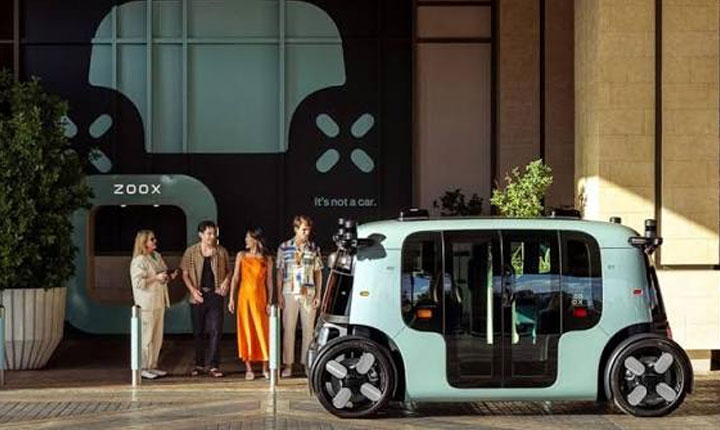


Amazon-owned autonomous vehicle company Zoox is working to establish a presence in San Francisco, a key test market where competitor Waymo already maintains a dominant position. While Waymo operates nearly 4,000 autonomous vehicles in the city, Zoox enters with a smaller fleet of about 100 vehicles. Unlike Waymo, which uses modified conventional vehicles, Zoox built its robotaxis from the ground up without steering wheels, pedals, or a driver’s seat, featuring a compact, turquoise cabin where passengers sit facing each other. This boxy pod design distinguishes Zoox from its competitor and draws frequent attention from pedestrians and tourists.
Regulatory Hurdles and Community-First Strategy:
Although Zoox opened a downtown Rider Lounge in May and began offering free rides in November expanding the program in June to include trips to eight restaurants and several landmarks like the Ferry Building, the Painted Ladies, and the Castro its service remains non-commercial. The company requires approval from both the California Department of Motor Vehicles (DMV) and the California Public Utilities Commission before it can collect fares, though it has already applied for a DMV deployment permit. In contrast, Zoox has begun charging riders in Las Vegas its first paid market following a federal regulatory exemption granted in July allowing the deployment of up to 5,000 vehicles over two years. To build familiarity in San Francisco against Waymo, which launched commercial rides in 2018 and completes over 500,000 weekly rides compared to Zoox’s 10,000 weekly rides nationwide, Zoox has adopted a “community-first approach” by sponsoring local events like the Stern Grove Festival, North Beach Festival, and Flower Piano in Golden Gate Park, alongside partnerships with the San Francisco Museum of Modern Art and local businesses.