

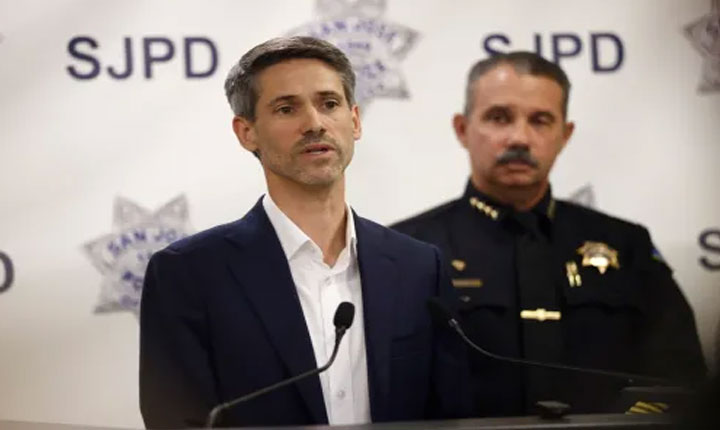


Facing intense public backlash over the alleged misuse of automated license plate reader (ALPR) data, a group of San Jose elected officials has unveiled a strict package of new policy safeguards. The proposed measures backed by Mayor Matt Mahan, Vice Mayor Pam Foley, and Councilmembers Domingo Candelas and George Casey are scheduled to be reviewed by the city’s Rules and Open Government Committee. The initiative aims to make it more difficult for city employees to use personal devices to access sensitive law enforcement information and proposes expanding regular audits to catch illicit searches. Additionally, city leaders want to lobby the state legislature in Sacramento to introduce stricter legal penalties for the improper and unauthorized handling of ALPR data. Mayor Mahan emphasized that while ALPR technology assists in solving serious crimes, strict access limits, regular audits, and real consequences for rule violations are vital.
Catalyst Behind the Scrutiny and Vendor Controversy:
The policy push follows revelations that the San Jose Police Department fired an officer after an internal investigation concluded he used a personal device to search the database and share location tracking information with his cousin, who was accused of domestic violence. This incident reignited local debate concerning the city’s network of 516 license plate cameras and its ongoing relationship with the equipment vendor, Atlanta-based Flock Safety. Critics and local residents argue that the massive collection of driver location information infringes upon personal privacy rights. Conversely, supporters maintain that the cameras have become an indispensable investigative asset for a chronically understaffed police department.
Previous Restrictions and Ongoing Legal Challenges:
The city previously approved a set of restrictions, which included limiting camera installation locations and reducing data retention periods from one year down to 30 days. Despite these actions, many residents and local advocacy groups continue to demand that San Jose follow other Bay Area jurisdictions such as Santa Clara County, Mountain View, and Los Altos Hills by cutting ties entirely with Flock Safety. San Jose is currently facing active lawsuits regarding its network, including a complaint filed by a coalition of local advocacy groups alleging that warrantless searches violate driver privacy. Nick Hidalgo, a staff attorney with the ACLU of Northern California, dismissed the city’s latest policy updates as superficial public relations moves that fail to adequately protect public privacy or comply with the law.