

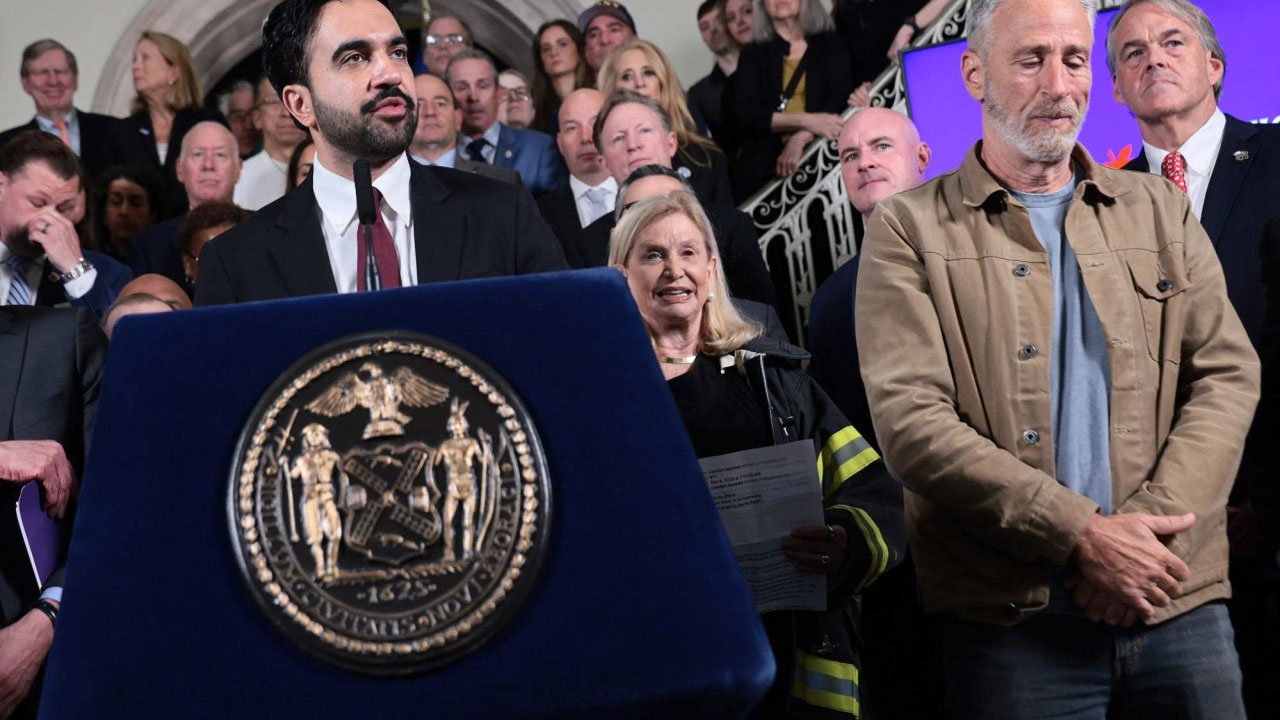


Ahead of the 25th anniversary of the September 11 attacks, New York City Mayor Zohran Mamdani announced the release of more than 170,000 pages of previously undisclosed records detailing post-9/11 Ground Zero air quality. Uncovered last year among 68 boxes stored in a city office, these long-buried documents reveal that officials privately harbored deep concerns regarding toxic environmental conditions while simultaneously issuing repeated public assurances that the air was safe to breathe. Facing a tragic milestone where deaths resulting from post-9/11 illnesses have surpassed the initial death toll of nearly 3,000, Mayor Mamdani emphasized that transparency was long overdue following decades of systemic failures spanning multiple municipal administrations.
Contents of the Digitized Files and Congressional Oversight:
The newly digitized files are accessible through a free, searchable public portal and include internal memos originating from the months immediately following the disaster. Among the documents is a February 2002 communication sent by U.S. Representative Jerry Nadler to then-Mayor Michael Bloomberg, which pointed out flawed indoor air monitoring by the Environmental Protection Agency (EPA). Standing alongside 9/11 families and advocate Jon Stewart who underscored that hazardous debris persisted inside surrounding buildings for months Mamdani stressed that numerous eligible survivors remain unenrolled in existing support systems. While more than 140,000 individuals are registered with the World Trade Center Health Program and 49,000 are dealing with certified cancers (a designation incorporated in 2012 following studies on firefighter health), countless affected residents outside official outreach channels have yet to receive care.
Former EPA Administrator’s Response and Ongoing Fallout:
In reaction to the document rollout, former EPA Administrator Christine Todd Whitman defended her agency’s early public statements. She maintained that they were based on the scientific data accessible at the time, while also pointing out that the EPA lacked regulatory jurisdiction over indoor air spaces and the city-managed worksite itself.