

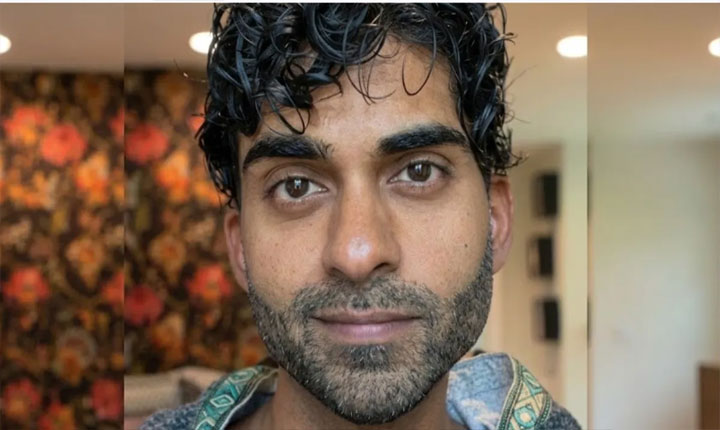


Indian-American author, entrepreneur, and former Wall Street investment banker Neal Bakshi revealed that he was detained and questioned by U.S. border officers upon returning from a vacation in Greenland. In a video shared on Instagram, Bakshi who was born and raised in the United States by Indian immigrant parents questioned whether all Americans receive equal treatment when entering their own country. Using Global Entry upon landing, Bakshi was informed by a border officer that he had been “randomly selected” for secondary screening. While accustomed to occasional extra scrutiny since his teenage years, he noted that this particular encounter felt “drastically different.”
Second-Stage Processing and Questioning on Affiliations:
According to Bakshi, officers initially withheld the rationale for his secondary processing and escorted him into a large, windowless waiting room lit with a sallow yellow light, observing that everyone else held in the room was a person of color. He was subsequently taken to a smaller room, where officials demanded extensive personal information and interrogated him regarding affiliations with specific groups. Bakshi stated that officers eventually justified the questioning as being “for my own safety, given everything that was happening in the news with war,” though he did not specify the exact groups or conflicts referenced. Upon his release, he witnessed an officer telling a non-English-speaking elderly Hispanic woman to “sit down and think about what lie you want to tell me next.”
Background and Broader Border Scrutiny Debate:
Reflecting on the experience, Bakshi acknowledged that border screening methods target legitimate security concerns, but argued that the tactics rely on an assumption of guilt toward a clear subset of the population. Bakshi is a former Goldman Sachs investment banker who transitioned into writing, entrepreneurship, and spiritual coaching, founding Awaken Mind Sciences and authoring Banking on Angels: How an Investment Banker Found Spiritual Fulfillment and Inner Peace. His detention occurs amid a sensitive socio-political climate characterized by heightened immigration enforcement and intense public debate over border security, due process, and racial profiling.