


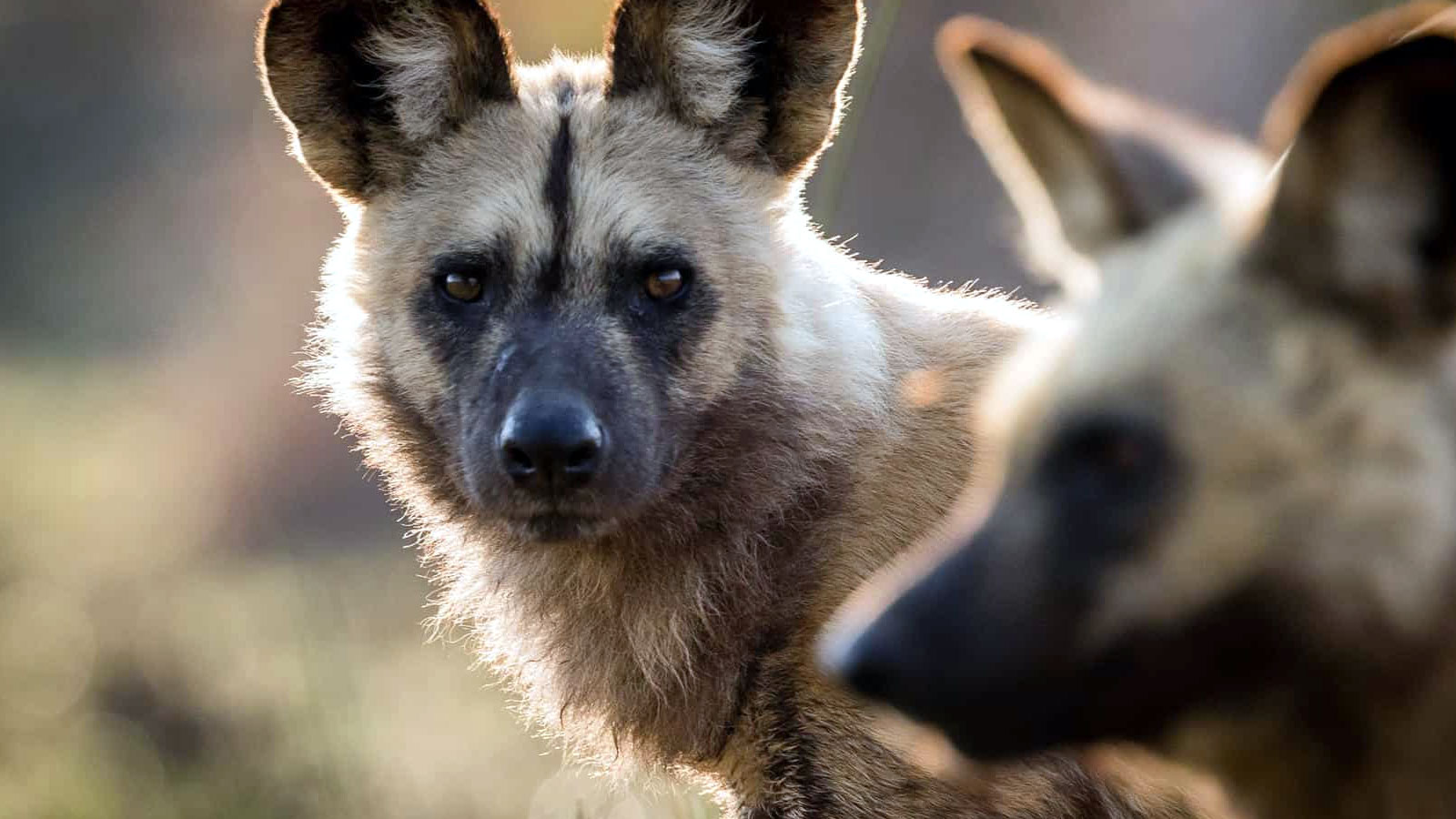


Three male African wild dogs from the Mayukuyuku Pack in Kafue National Park embarked on an extraordinary journey, traveling 4,126 kilometres across Zambia in search of new territory and unrelated breeding partners. Tracked via GPS collars by researchers led by Scott Creel of Montana State University alongside the Zambian Carnivore Programme, this migration has been published in Ecology as the longest recorded dispersal by an African mammal. Leaving their natal pack in July 2025 at approximately three years of age among a surviving group of 19 pups, the brothers navigated a complex mixture of protected and unprotected landscapes, demonstrating remarkable mobility while facing the realities of fragmented habitats.
Their eastward route was far from direct, marked by strategic detours around human settlements such as Kabwe, Kitwe, and Ndola. In one instance, the dogs traveled north toward Ndola before turning back to retrace nearly 200 kilometres of their path. Large reservoirs also compelled them to alter course, circumventing the water bodies before progressing toward the Luangwa Valley ecosystem and ultimately settling in the Luano Game Management Area near the Great Rift Escarpment by April 2026. While their overall path accumulated to 4,126 kilometres, the maximum straight-line distance between their start and end points was just 419 kilometres, highlighting the extensive navigation required to bypass obstacles like roads, urban centers, and infrastructure.
Dispersal is an essential biological mechanism for African wild dogs, driven by their cooperative social structures where young adults leave their birth groups to find unrelated mates and maintain genetic connectivity between isolated populations. However, researchers emphasize that extreme travel distances do not guarantee successful integration into new groups or reproductive success. Furthermore, traversing human-dominated landscapes exposes these wide-ranging predators to severe hazards, including vehicle collisions, livestock conflicts, and deadly wire snares used for bushmeat hunting. This record-breaking journey ultimately underscores a critical conservation challenge, illustrating that protecting wildlife requires looking beyond the fixed borders of national parks and actively preserving ecological corridors to ensure safe passage across changing environments.