


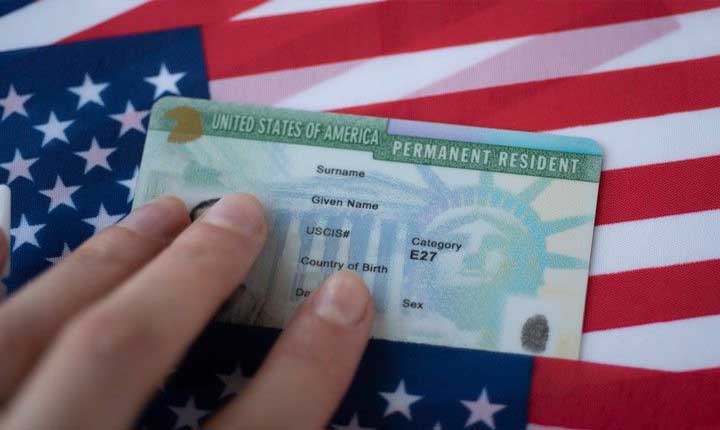


Nearly one million Indian nationals are currently trapped in the United States employment-based green card backlog, representing approximately 79% of all applicants waiting across the EB-1, EB-2, and EB-3 categories, according to a recent analysis by the National Foundation for American Policy (NFAP).
Severity of Delays by Category:
The crisis is heavily concentrated among Indian professionals in the EB-2 and EB-3 tiers. NFAP estimates that an applicant whose petition is filed in January 2026 or later could face an unprecedented wait time of up to 179 years in the EB-2 category and 38 years in EB-3. By the close of 2025, approximately 731,566 Indian applicants were stuck waiting in the EB-2 queue, alongside another 213,414 individuals in the EB-3 category. The scale of these delays is further underscored by the August 2026 Visa Bulletin, which lists the priority date for Indian EB-1 applicants at October 15, 2022, and EB-3 at January 1, 2014, while the EB-2 category is marked as unavailable for August.
Structural Causes Behind the Backlog:
The primary drivers of the backlog are statutory limits established under U.S. law, specifically the strict 7% per-country cap combined with a static annual ceiling of 140,000 employment-based green cards, which includes dependent family members. Because a massive volume of highly skilled Indian professionals seeks permanent residency in the U.S., these caps create a severe bottleneck.
Despite the U.S. government issuing approximately 980,460 employment-based green cards between 2020 and 2024 about 280,000 above the standard statutory allocation the backlog has continued to swell. Furthermore, the mandatory labor-certification process alone can add an additional two to three years of waiting time before petitions even reach the USCIS stage.
Policy Implications and Impact on Professionals:
Experts and policy analysts argue that administrative efficiency or speeding up USCIS processing alone cannot resolve the crisis, as the core systemic barrier is the rigid statutory cap on available immigrant visas and per-country restrictions. For thousands of skilled Indian workers and their families already living and working in the United States, the prolonged uncertainty means spending decades on temporary visas, leading many to feel that the wait for permanent residency is no longer measured in years, but in generations.