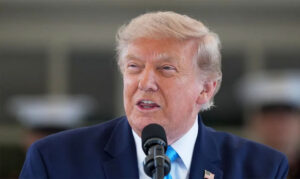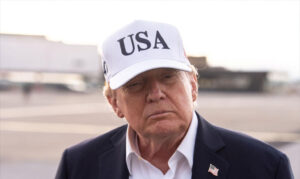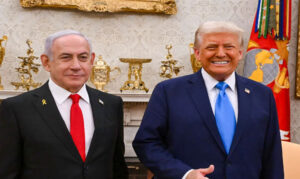


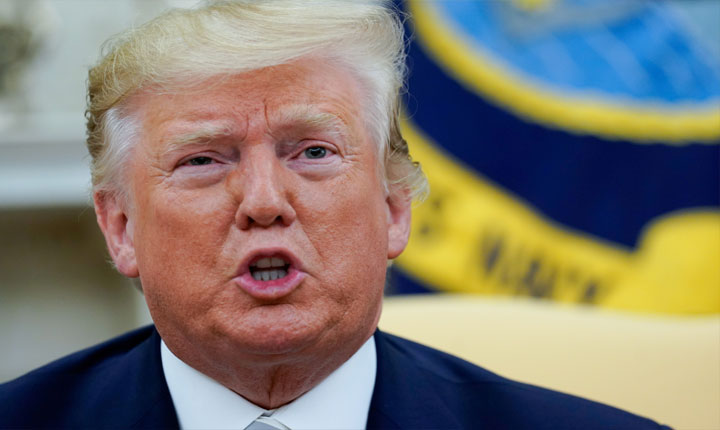


US President Donald Trump stepped up his criticism of the Federal Reserve after the central bank raised its benchmark interest rate by 25 basis points to a 3.75 per cent 4 per cent target range. Speaking to reporters ahead of a midterm campaign rally in North Carolina, Trump accused the Fed board of being “very political,” “very hostile,” and acting against him for political reasons. He alleged that the board members were raising rates intentionally to make his presidency look as bad as possible and repeatedly emphasized that interest rates are too high. Despite his sharp words, Trump noted he had spoken to Fed Chair Kevin Warsh whom he nominated before the decision, stating he still had confidence in him and wanted him to remain independent.
Trade Deficit Remarks on Truth Social:
In a Truth Social post prior to his rally remarks, Trump also targeted international trade, arguing that the US could gain at least $1.5 trillion annually by ending trade with countries where it runs a deficit. He described the word “deficit” as a fancy term for a loss, asserting that the US is carrying almost every country in the world.
Federal Reserve Rationale and White House Response:
The Federal Open Market Committee (FOMC) raised its target range on Wednesday, marking the first US rate hike since July 2023.
The Fed noted that economic activity was expanding at a solid pace, supported by resilient domestic spending, strong productivity, and robust capital investment, but emphasized that inflation remained elevated. Defending the decision, Fed Chair Kevin Warsh stated that inflation has been too high for too long and that the FOMC needed to be confident that underlying inflation was moving toward its objective. Meanwhile, the White House criticized the rate hike as “unfortunate,” with senior deputy press secretary Kush Desai warning that higher rates would stymie economic progress, raise mortgage costs, and hinder business expansion.
Future Projections and Economic Outlook:
According to the Fed’s latest projections, policymakers expect one more rate increase this year, with rates projected to remain unchanged in 2027. Officials also revised their inflation forecast for 2026 up to 3.7 per cent from 3.6 per cent previously and do not expect inflation to return to the 2 per cent target until 2029. Meanwhile, the unemployment rate stood at 4.1 per cent in August and is expected to remain steady near that level through the end of 2026 and subsequent years.