

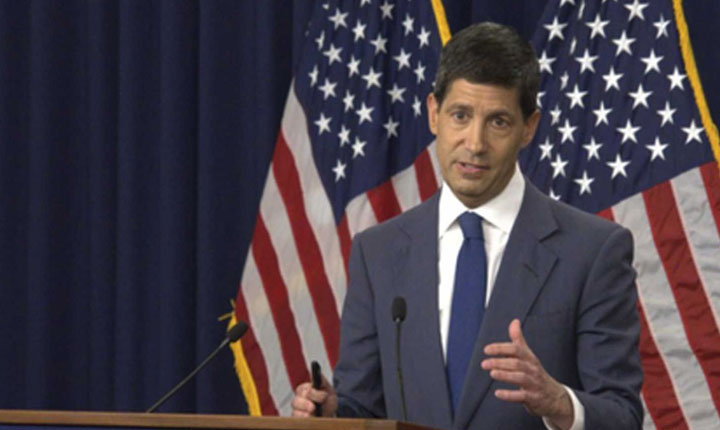


The U.S. Federal Reserve has officially established a dedicated task force to examine how artificial intelligence could impact the broader economy and guide future monetary policy. Federal Reserve Chair Kevin Warsh announced the initiative during a news conference, noting that the task force is expected to deliver its findings by the end of the year.
Focus of the AI Task Force:
Chair Warsh stated that the central bank is carefully evaluating artificial intelligence’s effects on both the demand and supply sides of the economy. However, he clarified that broader policy decisions regarding the risks, rewards, challenges, and opportunities of AI will remain the responsibility of other branches of government.
The Fed did not provide specific details regarding the task force’s membership, exact research inquiries, or whether the final report will be made public, nor did it offer a definitive estimate of AI’s direct contribution to current economic growth or inflation.
Economic Context and Interest Rate Decision:
The announcement coincided with the Federal Open Market Committee’s (FOMC) unanimous decision to raise its benchmark interest rate by a quarter of a percentage point, bringing it to a range of 3.75 to 4 percent. The move reflects a strengthening U.S. economy characterized by resilient domestic spending, robust capital investment, and strong productivity growth.
Warsh pointed to a massive surge in capital expenditures driven largely by major technology infrastructure operators, or “hyperscalers,” raising funds in the market as a key factor contributing to rising longer-term U.S. Treasury yields, alongside economic strength and geopolitical developments.
Tackling Inflation and Employment:
The Fed’s focus on technological shifts arrives as policymakers continue working to bring down persistent inflation, which has remained above the central bank’s 2 percent target for over five years. Meanwhile, Warsh described the current labor market as broadly consistent with full employment. Addressing the intersection of AI-driven economic activity and price stability, Warsh expressed confidence that the Federal Reserve can achieve its 2 percent inflation target as measured by the personal consumption expenditures (PCE) price index without needing to harm employment.