


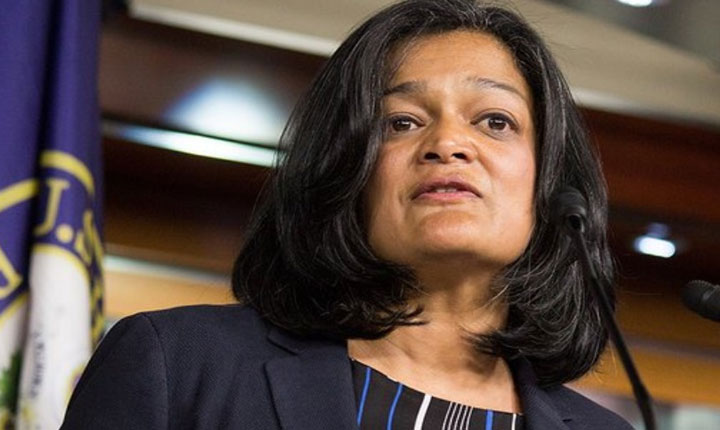


Congresswoman Pramila Jayapal, alongside four other Democratic lawmakers, has reintroduced legislation aimed at prohibiting federal agencies from utilizing facial recognition and other biometric surveillance technologies. Entitled the Facial Recognition and Biometric Technology Moratorium Act, the proposed measure would bar federal entities from employing systems that identify individuals via faces, voices, gaits, or other immutable physical characteristics. Under the bill, this prohibition could only be lifted through a subsequent act of Congress.
Key Sponsors and Legislative Leadership:
The Senate version of the legislation was introduced by Senators Edward Markey (D-Mass.) and Jeff Merkley (D-Oregon), while the House version was spearheaded by Congresswoman Jayapal (D-Wash.) alongside Representatives Rashida Tlaib (D-Mich.) and Ayanna Pressley (D-Mass.). The lawmakers emphasized that the bill is a direct response to the escalating government use of biometric tools—such as mobile facial-recognition applications deployed by Customs and Border Protection (CBP) and Immigration and Customs Enforcement (ICE)—which they argue have been used to disproportionately target immigrants, peaceful protesters, and communities nationwide.
Core Provisions and Enforcement Mechanisms:
If enacted, the legislation would implement strict regulatory controls and enforcement parameters:
Funding Restrictions: Prohibits the use of federal dollars to purchase or operate biometric surveillance systems.
Grant Conditions: Conditions certain federal and law enforcement grants to state and local governments on their adoption of matching moratoriums.
Exclusion of Evidence: Bars any information collected via biometric technology in violation of the act from being admitted in judicial proceedings.
Legal Recourse: Establishes a private right of action for individuals whose biometric data is unlawfully utilized, while empowering state Attorneys General to enforce the measure.
State Autonomy: Permits individual states and local governments to enact their own distinct laws regulating facial recognition and biometric technologies.
Civil Rights Concerns and Civil Liberties Support:
Sponsors of the bill highlighted severe civil rights implications, citing research showing that nearly half of American adults already have their faces stored in facial-recognition databases, with Black, Brown, and Asian individuals facing significantly higher risks of algorithmic misidentification. Prominent civil liberties and digital-rights organizations—including the American Civil Liberties Union (ACLU), the Electronic Frontier Foundation (EFF), the Electronic Privacy Information Center (EPIC), Access Now, and the Leadership Conference on Civil and Human Rights—have extended their backing to the legislation.